
The roof surface
Review accessible roof areas for visible wear, debris, damage and earlier repair locations. Record the areas that need closer investigation.
Roof maintenance for the people responsible for the building. Get a clearer picture of its condition, the repairs to consider and the work to plan ahead.
Request a maintenance reviewTalk with Peak · (720) 325-9473
A leak, blocked drainage or a change around rooftop equipment can need a different response. We start with your concern and agree on the areas to review before the visit.
Review accessible roof areas for visible wear, debris, damage and earlier repair locations. Record the areas that need closer investigation.
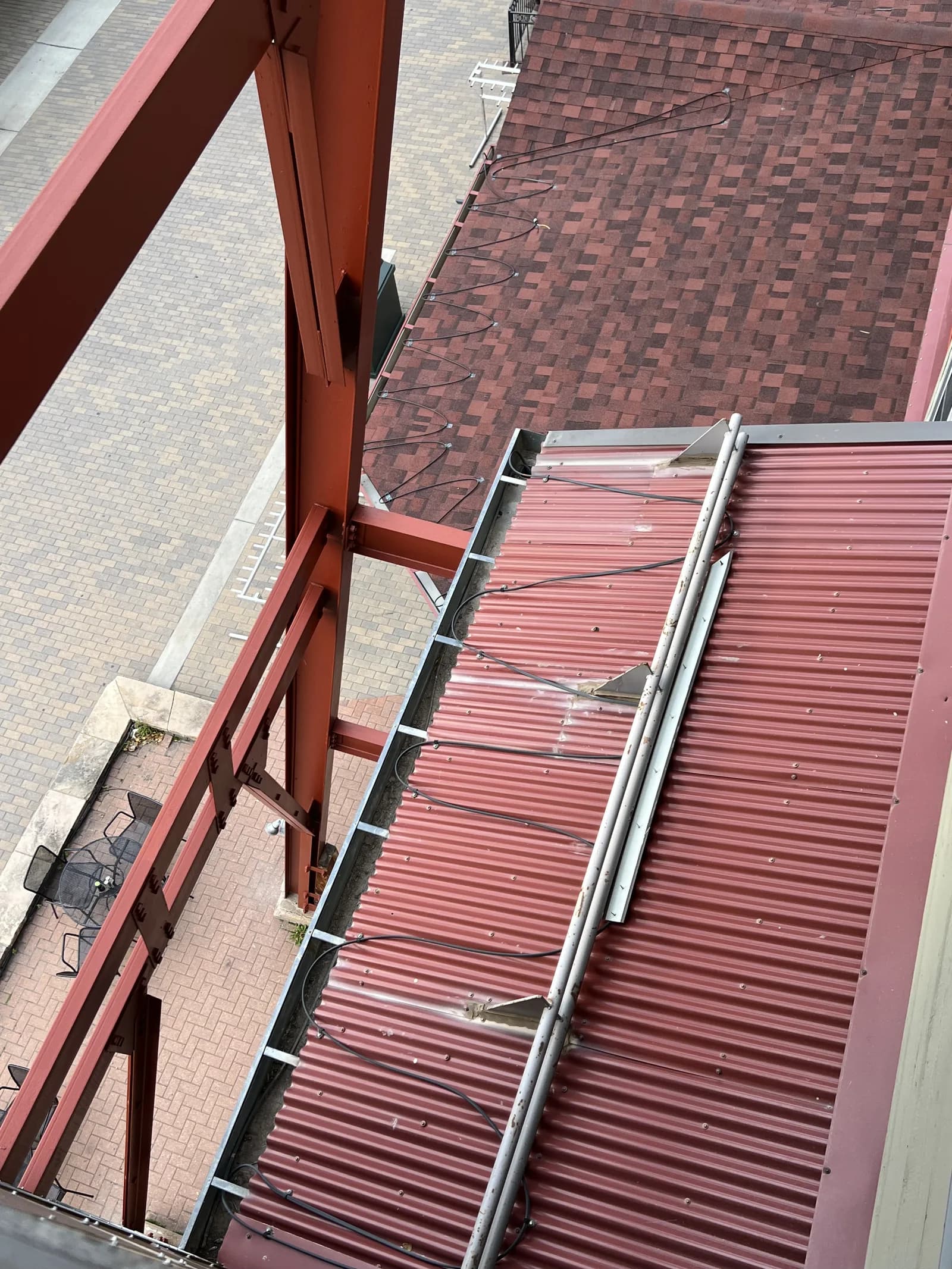
Look at the roof’s drains, scuppers, gutters and downspouts, along with visible evidence of blockage or drainage concerns.
Check the visible roof-edge, flashing and penetration details included in the scope. Note adjoining wall and equipment questions that need another trade.
Share leak locations and affected interior areas. Where access is included, connect those observations to the roof-area record.
The proposal confirms access, roof areas, reporting and price. Cleaning, testing, repairs and follow-up visits are listed separately when requested.
Keep the roof area, photograph and recommended action together. When an owner, manager or maintenance contact changes, the building history should still make sense.
Request a dated photo report with the areas reviewed, visible observations, access limits and proposed next steps. Repair recommendations should identify the work clearly enough to price and authorize.
Download a blank maintenance log CSV · opens in Excel or SheetsProperty address, roof-area name, date and a photograph that shows where to look.
The visible condition, the close detail and anything the review could not establish.
Proposed repair, further investigation or monitoring, with responsibility and timing discussed.
Approved scope, completed-work records, invoices, warranty documents and the next agreed review.
Johns Manville recommends checking key roof areas at least twice a year. The right schedule also depends on the assembly, warranty, access and activity at your property.
Discuss the condition after snow and ice, visible changes at the perimeter and any interior moisture reported during winter.
Review debris and drainage concerns, outstanding repair recommendations and the work you want to address before colder weather.
Tell us about hail or wind concerns, a new leak, rooftop equipment work or changes in building use. Confirm whether an additional review is needed.
Manufacturer guidance: Johns Manville maintenance guidance · Carlisle spring checklist
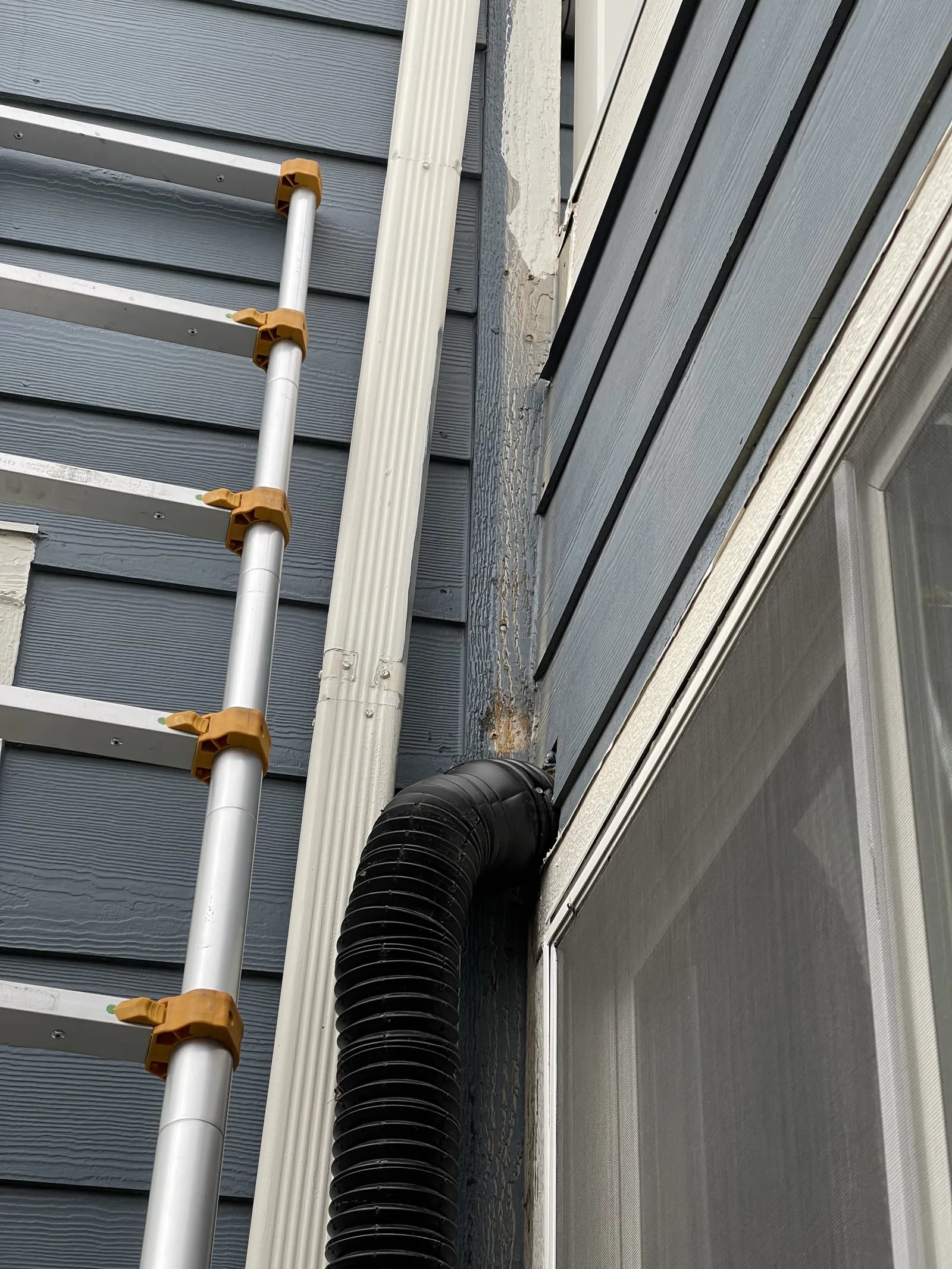
For an office, retail building, warehouse, HOA or public facility, the visit needs to fit the site. Include the person who can arrange roof access, the occupied areas below and any check-in requirements.
For multiple properties, send the building list. We can discuss a separate scope and roof record for each address.
Plan the first visitClear scope, useful records and a plan for the work that follows.
Start with the roof manufacturer’s instructions and the building’s conditions. Johns Manville recommends checking key roof areas at least twice a year, typically after winter and after summer. Trees, rooftop activity, earlier leaks and severe weather may call for additional review. We can discuss a schedule for your actual roof rather than assign every building the same visit interval.
Request a review of the accessible roof areas, drainage, perimeter details and penetrations, with located photographs and recommended next steps. Tell us whether you also need interior leak observations or specific report requirements. We confirm the areas, access, deliverable and price before a visit; cleaning and repairs need an agreed scope.
Yes. Send the property list, locations, roof records and the person who can authorize access and work. We can discuss a separate scope and record for each building, then organize the repair priorities and proposed follow-up across the properties.
Drainage belongs in the review, but a review and a cleaning visit are different scopes. Ask us to include gutters, scuppers, roof drains and downspouts that apply to your building. We confirm the cleaning work and access in the proposal. A blockage below the roof or an underground drainage problem may need a separate trade.
The actual warranty controls the owner’s maintenance duties, reporting deadlines and authorized repair requirements. Routine maintenance does not automatically extend coverage. Share the warranty before work is planned so manufacturer notice and contractor requirements can be checked. Carlisle, for example, asks owners to contact its warranty service before repairs to a potential warranty-related issue.
A visual review can help organize repairs and replacement planning, but it cannot guarantee a remaining service life or reveal every concealed condition. The report should explain what was accessible, what was observed and where further testing or specialist review is needed.
Send the address, roof type and approximate age if known, warranty documents, past repair records, leak locations and the last inspection report. Include roof-access arrangements, tenant hours, rooftop equipment contacts and any vendor onboarding requirements. It is fine to start with the information you have.
Call or text (720) 325-9473 and describe where water is appearing and whether it is still entering. We will discuss availability and the next step. A maintenance request does not book emergency response. Keep people away from affected electrical equipment or unsafe areas and use appropriate emergency help when needed.
Tell us the address, roof concerns and preferred timing. Include the roof type, previous reports and warranty information if you have them.
We’ll discuss the visit scope, access, reporting and availability before scheduling. If you’re planning recurring care, include the number of buildings and the follow-up you need.
Call (720) 325-9473 or text our team to discuss availability. A maintenance form does not confirm an urgent visit.