
01
Know what needs attention
Keep dated photos of the affected roof areas, your repair history and any temporary-repair receipts with your claim number and estimates. Save the emails and replies as the claim moves along.
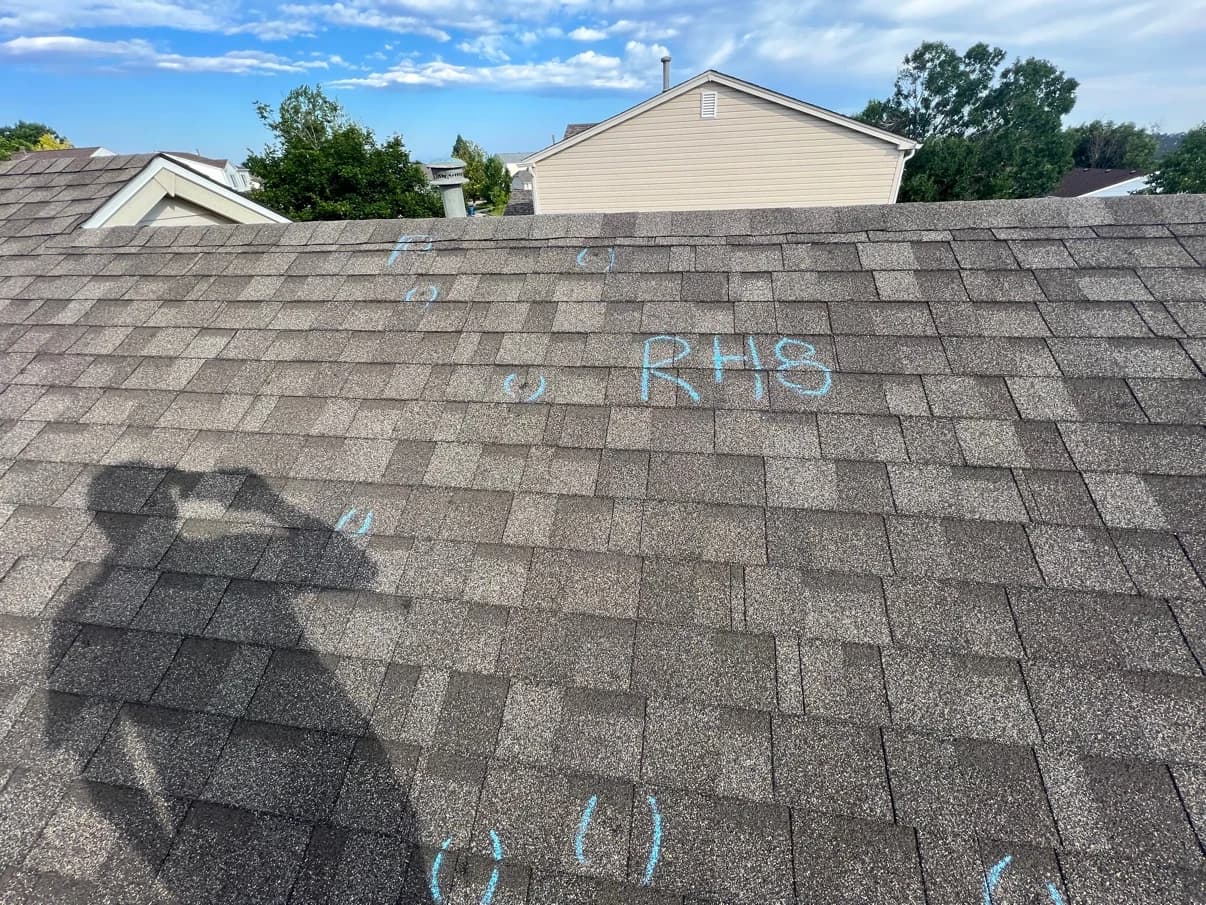
Colorado roof claim questions? Understand repair estimates, damage photos, deductibles and depreciation, and know what to ask your insurer next.
We’ll look at your roof, explain the repairs we recommend and give you an estimate you can understand. Your insurer handles coverage and claim payments. We help with the roofing information you need for that conversation.
Keep dated photos of the affected roof areas, your repair history and any temporary-repair receipts with your claim number and estimates. Save the emails and replies as the claim moves along.
Ask your claim contact what they’re waiting for and when to expect an update. If an item is disputed or denied, ask for the reason and the policy wording in writing.
We can explain our roof measurements, materials and recommended repairs, with photos to show the details. Compare the work line by line, then ask the insurer to review anything missing or disputed.
Damage can be missed at the first inspection or turn up when the old roof comes off. Clear photos and an item-by-item explanation help show your insurer what needs another look.
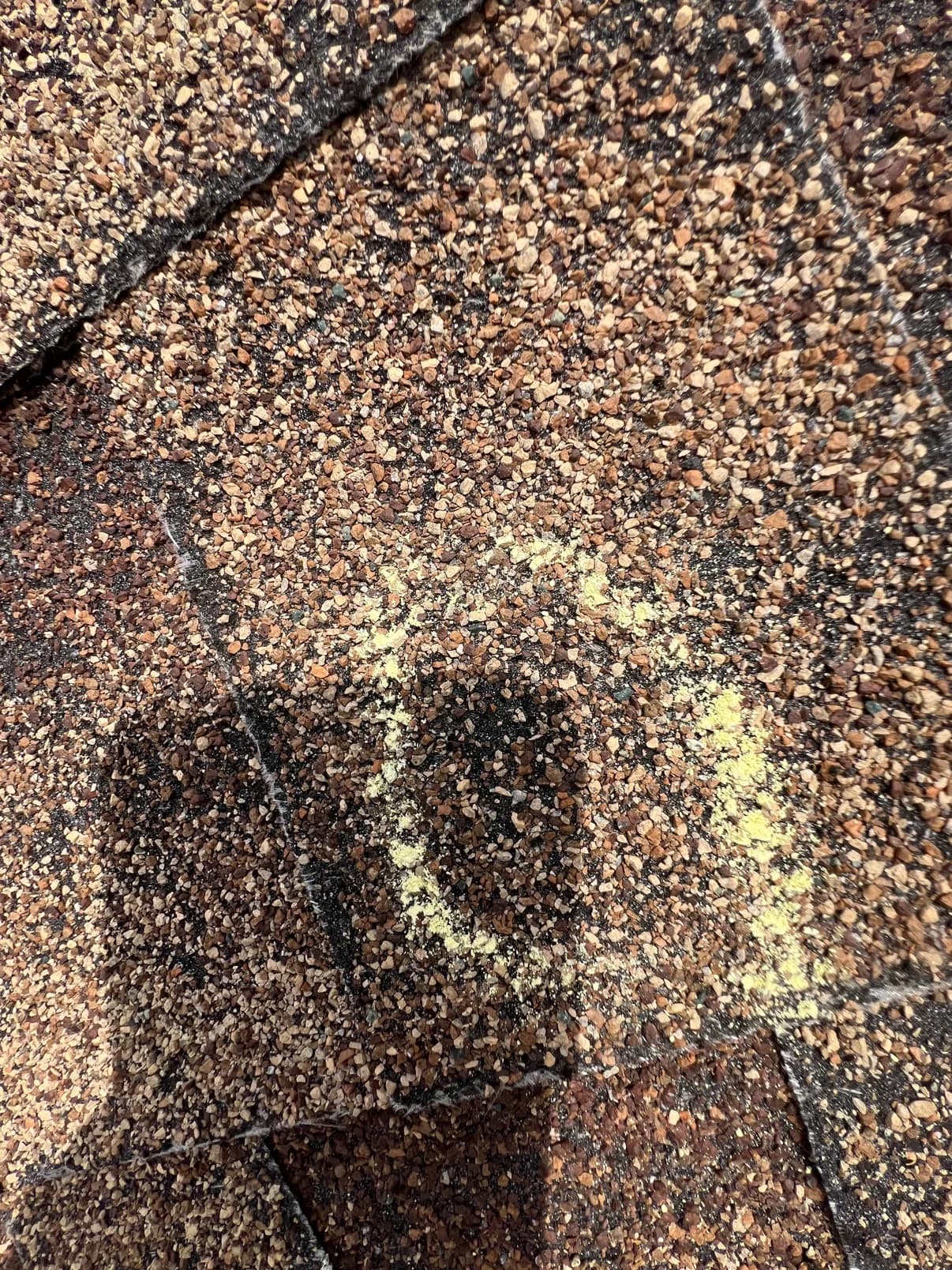
Take a close-up, then a wider photo to show where the problem is.
Photograph the damage, note where it is and tell your insurer before the related repair work continues. Colorado DOI explains that the first repair estimate can change. The insurer reviews the new information and may approve an added payment, called a supplement.
Keep the photos, proposed repair and insurer’s reply together. Finding more damage doesn’t automatically mean it’s covered; your policy and the insurer’s review still apply.
Point to the roof section or part that needs attention, explain what was found and attach the photo and estimate page. Ask whether the insurer disagrees about the repair needed, the price or the coverage. Knowing which question is unresolved helps you send the right information.
Ask for the reason in writing and the exact policy language behind it. Colorado DOI recommends getting that explanation when a claim is denied. Keep it with your estimates, and ask an insurance professional for help if you’re unsure what the policy means.
Maybe the check is smaller than you expected. Maybe the estimate leaves out work, or you can’t get an update. Here’s how to find out what’s missing, what to send and who to ask for help.
Replacing your shingle roof through insurance? Peak includes the upgrade to Class 4 impact-resistant shingles at no additional charge.
Your deductible and any noncovered work still apply. The selected Class 4 product and included upgrade will be detailed in your written estimate. Impact-resistant does not mean hail-proof.
Ask your claim contact three things: What are you waiting for? Who needs to provide it? What happens once you have it? Include your claim number, when you last sent documents and the questions you still need answered. Keep a copy of the reply.
“Still under review” can mean several things. The insurer may be deciding what the policy covers, reviewing the repair estimate or waiting for proof that work is finished before releasing a payment. Ask which step is holding things up. If a new person takes over your claim, send the dated emails and documents so you don’t have to start the conversation over.
Hi, I’m checking on claim [number] for [address]. I sent [documents] on [date]. Did you receive them? Please let me know what’s still needed, who is reviewing it and the next step. I also need a copy of the current coverage decision and an explanation of any estimate items you disagree with. My remaining questions are: [list].
Add your details before sending. Keep track of your policy deadlines; this message doesn’t extend them.If you’ve followed up and still can’t get an answer, see the help options below. The NAIC lists claim delays and poor communication among the issues a state insurance department can investigate.
Reference: NAIC: when and how to file an insurance complaint
Your first check may include a deduction for the roof’s age and condition, called depreciation. Some replacement-cost policies pay actual cash value (ACV) first, then pay eligible depreciation after the required repairs are complete. Other policies, including some with roof-specific terms, settle the roof differently. Check the terms that apply to your roof.
Look at the estimate summary for the covered repair amount, depreciation, deductible and payments already made. If depreciation is withheld, ask how much is recoverable, what you need to submit and when it’s due. An amount marked nonrecoverable generally isn’t money you can collect later under that settlement.
The homeowner pays the $2,000 deductible in this example. These made-up amounts show the calculation; your policy, repair cost, coverage limits and payment conditions determine your own result.
Reference: NAIC: actual cash value versus replacement cost
Reference: NAIC Post-Disaster Claims Guide: roof coverage and payment terms
Not necessarily. A percentage deductible may be based on your home’s insured value rather than the roofing bill. Your policy may also have a separate wind, hail or roof deductible. Check the declarations page and endorsements, then ask the insurer to show you the dollar amount that applies to this claim.
2% × $400,000 = $8,000
In this example, the policy bases the deductible on a $400,000 insured value. That makes the deductible $8,000, rather than 2% of the roofing bill. Your policy may use a different amount or calculation.Budget separately for your deductible, other upgrades you choose, work the policy doesn’t cover and any items still in dispute. Peak includes the Class 4 shingle upgrade described above at no additional charge with an insurance shingle roof replacement. Your written proposal will identify that product, the work included and any other costs. You remain responsible for the deductible.
Reference: NAIC claims guide: fixed and percentage deductibles
Compare the two estimates line by line. Are they using the same roof measurements, materials and removal plan? Do both include the flashing and edge work the roof needs? Some differences may involve work that isn’t part of the covered loss, so the totals alone won’t tell you why they differ.
If work is missing or changes are needed, an itemized request for the insurer to review those changes is usually called a supplement. Include a reason and supporting photos or measurements for each item. Ask which items the insurer has accepted, which it’s still reviewing and which it disputes. Sending a supplement doesn’t guarantee that the added work is covered.
| Item | What to include | What to ask |
|---|---|---|
| Roof area | Measurements for each roof section, how slope was measured and any extra material allowance. | Are both estimates measuring the same roof sections? |
| Removal | The number of existing roof layers, access and debris removal. | Does each price include the same tear-off and disposal work? |
| Flashing & edges | Photos, locations, lengths or counts, and the planned repair. | What will be replaced, reused or left out? |
| Deck condition | Dated photos once the wood is exposed, plus a repair allowance or unit price. | What can be checked now, and who approves damage found during tear-off? |
| Permit / code item | The local building authority’s requirement and the supporting document. | Is this required for the property, and does the policy cover the cost? |
| Product selection | The exact roofing material, accessories and any upgrades priced separately. | Is this a required item, a comparable product or an upgrade you chose? |
Check the units, too: one roofing square is 100 square feet, while flashing may be measured in linear feet and vents counted individually. Aerial reports help measure the roof, but they can’t confirm storm damage, insurance coverage or the condition of wood hidden underneath.
Read the full roofing estimate comparison guideMake a short list of what still needs to be checked. For each concern, include the roof location, the date and a clear photo. A close-up shows the detail; a wider photo helps the adjuster find it. Send the earlier estimate and point out what was missed or has changed.
If the disagreement is repair versus replacement, ask how the proposed repair would work: which section would be repaired, what material would be used and how it would join the surrounding roof. Those construction details help explain the concern. The policy still determines what the insurer will pay.
If hidden damage turns up during approved work, photograph it and follow the agreed process for additional repairs. Ask the insurer what else it needs to review. Where it’s safe and practical, arrange any further inspection before the area is covered again.
Stay off a damaged roof. If water is getting in, arrange temporary protection, keep the receipts and tell your insurer what was done. Taking care of the leak safely comes first.
Your lender or mortgage servicer may be named on the check along with you. It may also release the money in stages. Contact its insurance-loss department before counting on those funds for a roofing deposit. Ask how to endorse the check, which documents are needed and whether inspections are required before payments are released.
The lender’s payment process is separate from collecting recoverable depreciation from your insurer. The lender might need a signed contract or progress inspection; the insurer might need proof that eligible repairs are complete. Confirm both sets of requirements so a finished roof or final invoice doesn’t leave you waiting on a missing document.
Reference: CFPB: claim payments, joint checks and mortgage-servicer releases
Before work starts, ask your insurer what it needs to release any remaining payment. Get the list and deadlines in writing. It may include completed-work photos, invoices, approved changes, inspection documents or proof of payment. Ask where to send everything, then confirm it arrived and find out whether anything is still missing.
Put each deadline on your calendar: reporting the claim, submitting proof of loss, finishing repairs, requesting depreciation and disputing a decision can have different dates. Save the policy page or letter that gives each deadline. If you’re unsure, ask your insurer or a qualified adviser; a complaint or an online timeline doesn’t automatically extend your time.
Ask for the decision in writing, with the reason and the policy language the insurer used. Then work out what you disagree with: the cause of the damage, the repairs needed, the price or whether the policy covers it. Send the photos and documents that address that point.
If you’ve tried to resolve it with the insurer and still need help, the Colorado Division of Insurance offers consumer assistance and a complaint process. Include your policy and claim numbers, the decision letter, dated emails and supporting documents. Explain what happened and what you want reviewed. The NAIC recommends contacting the insurer first and sticking to the facts in a complaint.
Depending on the dispute, you may want advice from a licensed public adjuster or an attorney. Check credentials, services and fees before hiring anyone. If your policy mentions appraisal, get advice on what that process can resolve; it doesn’t necessarily settle a coverage disagreement. Peak can assess the roof and explain the repair work. Questions about interpreting your policy or your legal rights belong with the appropriate insurance professional or attorney.
Reference: Colorado DOI: consumer assistance and insurance oversight
Keep one folder for the claim, with dates on each estimate and document. Save the originals when you mark up a copy. Include:
Keep the whole policy together, including exclusions, conditions and endorsements. The NAIC guide below explains those parts. The answers for your claim depend on that policy and what happened at your property.
Reference: NAIC: reading the parts of a homeowners policy
Tell us what happened and what you’re still trying to sort out. We can discuss a roof assessment and a proposal that explains the work and price.
Roof conditions, construction estimates and insurance decisions are different parts of the process. We help you document the roofing work and understand our proposed scope.
Stay off the roof. Record visible concerns and contact Peak to discuss an assessment.
Organize roof observations, dated photos, leak history and a written construction estimate.
Compare the roof areas, materials, flashing and work items with the proposed construction scope.
Keep a dated record. Ask your carrier what is outstanding and request a written explanation of disputed items.
Use this checklist to organize the information before your next conversation with the carrier.
Your insurer decides coverage and payment under your policy. Peak provides construction documentation and does not waive deductibles.
Colorado consumer complaint resources0 of 8 documents & steps checked
Your estimate should explain the roof areas, materials, repairs and price. Keep it alongside the insurer’s estimate so you can compare the same work.
Observed condition & repair location
Compatible repair materials & detail
Limits, related work & follow-up
Photos showing the roof’s condition
Roof measurements and recommended repairs
A clear, itemized roofing estimate
Gutters, flashing and related exterior damage
Approved changes and photos of completed work
Consumer guides and contacts if you need more help
Additional work and concealed damage follow the authorization process in your written agreement.
An assessment should explain the condition of the surrounding roof as well as the visible damage.
A flashing detail, damaged section or isolated leak may be repairable when the surrounding roof is serviceable. Material compatibility and access matter.
Understand roof repairsWidespread deterioration, recurring problems or an assembly near the end of its useful life may change the decision. Compare the full scope before committing.
Plan a roof replacementHave a question about your property?
Talk with our team
Ask the adjuster for a written status, what remains outstanding and when to expect the next update. Keep a contact log and copies of submissions. If concerns remain unresolved, use the Colorado Division of Insurance consumer assistance and complaint process. A delay alone does not establish why the claim is pending.
Check the carrier's breakdown for deductible, depreciation, coverage limits, exclusions and any scheduled roof payment terms. Actual cash value generally accounts for depreciation; replacement cost coverage works differently. Your policy and endorsements determine what is payable.
Ask the insurer whether depreciation is recoverable under your policy and what work, proof of completion and deadlines apply. It is not automatic under every roof policy. Save invoices and completion records and request the carrier's requirements in writing.
No. Peak does not pay, waive or rebate deductibles. Confirm the deductible, any noncovered work and payment timing with your insurer before authorizing the roofing contract.
We explain construction conditions, measurements and the work in our estimate. We do not decide coverage, promise a settlement or act as your public adjuster or attorney. Obtain the appropriate independent help for policy or legal disputes.
Do not assume either. A complaint provides an official channel to raise claim-handling concerns; it is not a promised coverage outcome. Ask about policy and legal deadlines separately and obtain qualified advice when needed.
Share the Colorado location, what you need and when you need it. Our team will help you understand the next step.
(720) 325-9473Active leak? Call to confirm availability.