
01
Document what is there
Collect dated photos, damage locations, leak history and any prior repair records. A nearby hail report is useful context; the roof itself still needs assessment.
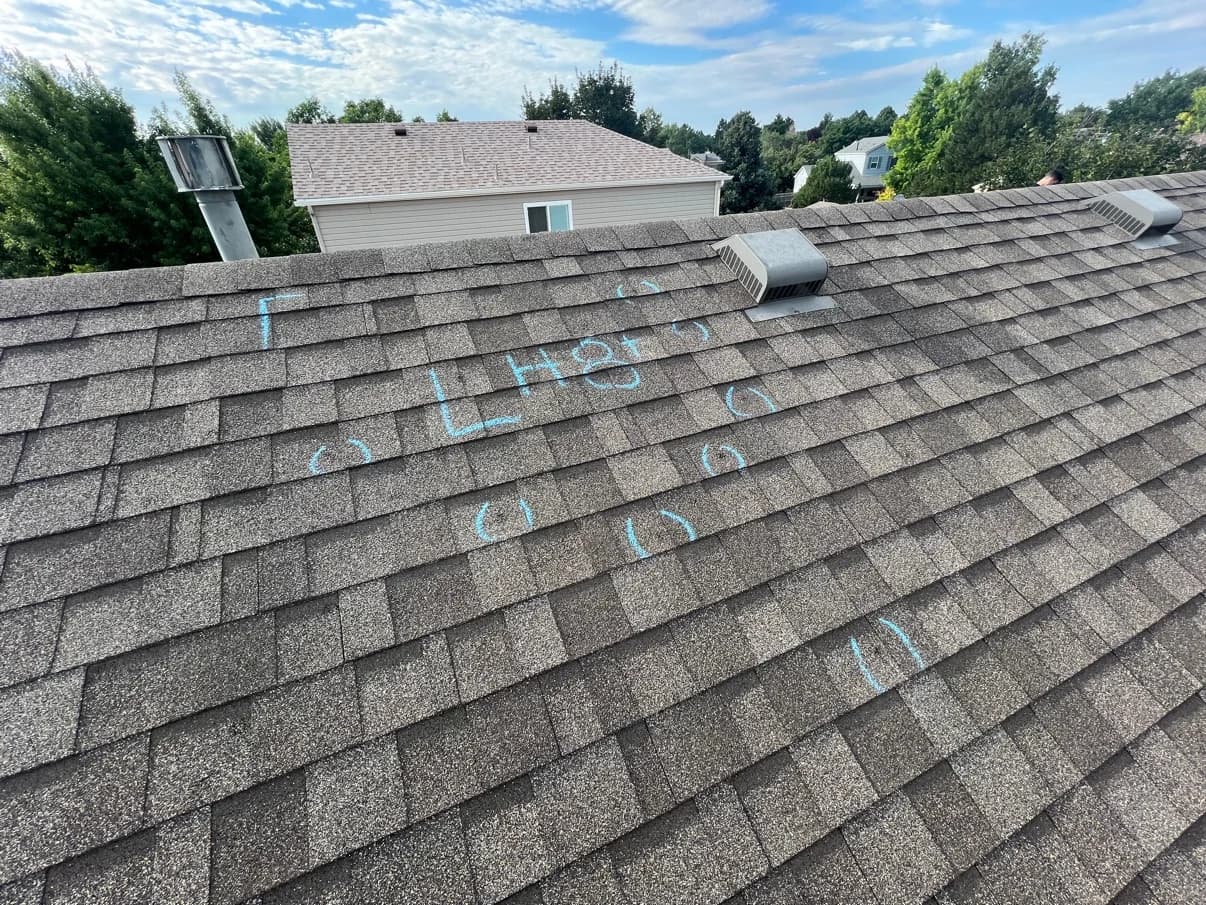
Colorado hail and wind damage roofing assessments, photos and repair or replacement estimates. Document the property, compare the scope and plan the work.
Roofing, gutters, flashing and siding can respond differently to the same storm. We review the conditions at your property and document the proposed construction work so you can understand what needs attention and why.
Collect dated photos, damage locations, leak history and any prior repair records. A nearby hail report is useful context; the roof itself still needs assessment.
Review roof areas, materials, flashing, related exterior damage and concealed-condition allowances. Keep construction findings organized when discussing differences with your insurer.
Keep your claim number, carrier correspondence and submitted documents together. We can explain our estimate and provide construction information while your insurer evaluates coverage.
Build a useful record of what is visible without guessing the cause or climbing onto the roof for a photograph.
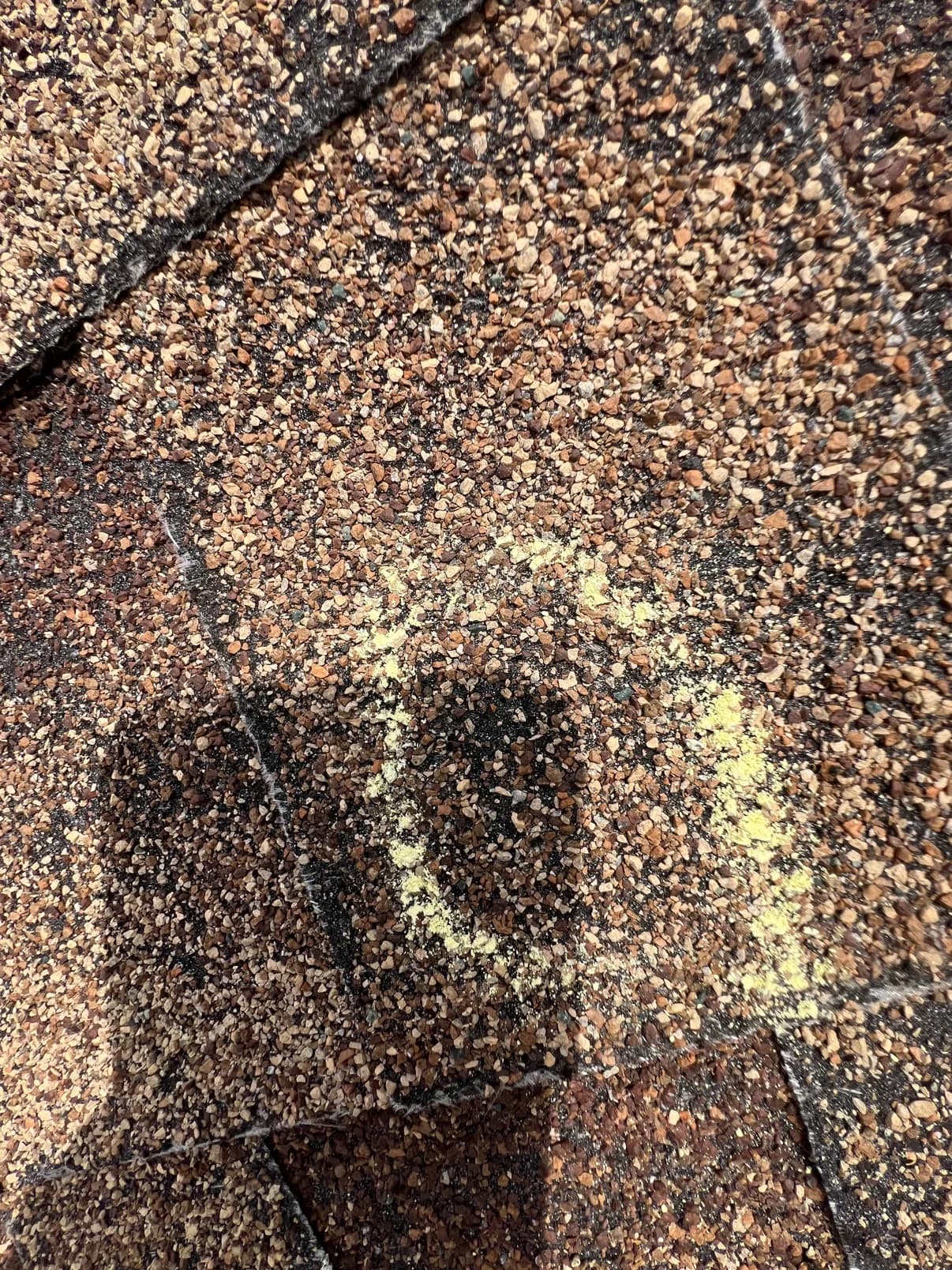 DETAIL VIEW / 01
Keep the original files, the date and the part of the property shown.
Pair the overall location with the visible concern so another person can follow the record.
Separate the observed condition from the proposed repair and any insurance decision.
A storm report, a roof photograph and an insurance decision answer different questions. Build a dated property file that keeps the visible condition, protective work and proposed construction connected.
Project planning notes · Sources checkedAddress immediate safety, document accessible conditions when safe and contact the appropriate professionals or insurer about the next step. Do not climb onto a potentially damaged roof to complete a photo checklist.
From a safe location, record what changed at the property and keep the original photos. Note visible interior moisture as well as exterior concerns. If temporary protection is needed, keep a record of the work and receipts while arranging a proper assessment.
Colorado DOI advises owners to document and mitigate damage when it is safe and to contact their insurer or agent to start the claim conversation. The right protective action depends on the actual conditions. A roofing webpage cannot establish whether a structure, electrical condition or access route is safe; use the appropriate emergency or professional assistance for the situation.
Primary referencesColorado DOI: hail damage and insurance (opens in a new tab)NAIC: Post-Disaster Claims Guide (opens in a new tab)
No. A weather report can support the event history, but the actual roof condition and an assessment are needed to define repair or replacement work.
Keep weather information with its source and date instead of presenting it as a photograph of the property. A neighborhood report does not identify your roof's material, its prior condition or the construction work now needed. Similarly, one dented exterior item does not define the full roofing scope.
NRCA's hail guidance distinguishes evidence that hail occurred from the inspection of roof-system damage. Ask the reviewer to locate the relevant findings and explain the construction significance. Preserve uncertainty where a photograph cannot establish cause or timing, and keep the recommended work boundary separate from an assertion that the entire roof is a total loss.
Scroll the comparison to see every column.
| Record | Useful for | Still needed |
|---|---|---|
| Weather report | Event history | Condition at this property |
| Ground photo | Visible exterior concern | Roof/detail assessment |
| Roof finding | Located condition | Repair scope and policy review |
Primary referencesNRCA: roof repair after a hailstorm (opens in a new tab)
Pair a view that locates the condition with a closer view that shows it. Keep originals and label the building area so another person can understand what the image documents.
Use consistent names such as front elevation, main roof or garage rather than relying on an unlabeled camera roll. Record the capture date when known and explain whether the image was taken before or after temporary work. Preserve earlier roof records if they are available; do not change a photograph to make an impact appear more severe.
The NAIC claims guide recommends documentation of damage and keeping records through the claim process. A useful file does not require an owner to identify membrane chemistry, diagnose a shingle failure or access the roof. The assessment should supply the technical interpretation and identify its limits.
Primary referencesNAIC: Post-Disaster Claims Guide (opens in a new tab)
Discuss necessary protection promptly and keep records. Temporary mitigation and authorization for a permanent reroof are different decisions; neither should be confused with a guaranteed insurance payment.
Ask the insurer about its documentation and inspection process while explaining any active exposure. Keep photographs before and after protective work, the work description and receipts. If a permanent repair would remove material that may matter to the review, ask how the evidence should be preserved.
The NAIC guide addresses protecting the property from further damage and the steps that follow. It does not make every proposed roof item covered. Do not postpone a safety response while collecting a perfect photo set, and do not treat a request for an assessment as automatic approval for additional construction. Keep owner authorizations clear.
Primary referencesNAIC: Post-Disaster Claims Guide (opens in a new tab)
A construction assessment identifies observed conditions and proposed work. Insurance payment depends on the policy, the insurer's review and the applicable claim process.
Keep roof-area quantities, detail photos and scope differences organized by item. If the insurer's estimate and the contractor's proposal differ, ask what construction evidence explains the difference rather than presenting only two totals. Ask the insurer for its written explanation of any disputed coverage or settlement item.
Colorado DOI recommends obtaining the relevant policy language and written reasons when a claim is denied or disputed. A contractor's proposal does not make a coverage determination. For questions about claim handling, representation or legal rights, use the insurer, Colorado DOI or an appropriately qualified professional; the roofing scope remains its own document.
Scroll the comparison to see every column.
| Construction question | Property evidence | Coverage question |
|---|---|---|
| What is damaged? | Located observations | What loss is covered? |
| What work is proposed? | Defined quantities and details | Which estimate items are accepted? |
| What changed during work? | New findings and authorization | What further review is required? |
Primary referencesColorado DOI: hail damage and insurance (opens in a new tab)
You can discuss alternatives, but keep the proposed construction, elective upgrade cost and insurer's written position separate. Approval of one repair scope does not automatically fund a different assembly.
Ask what the material change requires at the deck, edges, walls, penetrations or supporting structure. Compare the complete alternative rather than only its field covering. If a product is impact rated, keep the exact product record and ask the insurer whether any incentive applies to your policy.
Colorado DOI reminds owners to understand their deductible and to ask about possible benefits for hail-resistant materials. Do not assume a discount, deductible waiver or upgraded roof will be paid for. Before signing, read the construction price, payment procedures and change terms so the owner-funded portion is visible.
Primary referencesColorado DOI: hail damage and insurance (opens in a new tab)NRCA: selecting a roofing contractor (opens in a new tab)
What was reported about the weather and when.
What is visible at the actual building, with original files.
Construction findings, written coverage response and authorized work.
Use this checklist to prepare for your roof assessment.
Roof conditions, construction estimates and insurance decisions are different parts of the process. We help you document the roofing work and understand our proposed scope.
Stay off the roof. Record visible concerns and contact Peak to discuss an assessment.
Organize roof observations, dated photos, leak history and a written construction estimate.
Compare the roof areas, materials, flashing and work items with the proposed construction scope.
Keep a dated record. Ask your carrier what is outstanding and request a written explanation of disputed items.
Use this checklist to organize the information before your next conversation with the carrier.
Your insurer decides coverage and payment under your policy. Peak provides construction documentation and does not waive deductibles.
Colorado consumer complaint resources0 of 8 documents & steps checked
A useful repair proposal identifies where the work starts and ends, what materials are used and which related conditions need further review.
Observed condition & repair location
Compatible repair materials & detail
Limits, related work & follow-up
Property-specific storm damage observations
Roofing, flashing and edge-detail assessment
Dated photos and repair history
Gutter, fascia and siding coordination
Written repair or replacement estimate
Project schedule and material options
Additional work and concealed damage follow the authorization process in your written agreement.
An assessment should explain the condition of the surrounding roof as well as the visible damage.
A flashing detail, damaged section or isolated leak may be repairable when the surrounding roof is serviceable. Material compatibility and access matter.
Understand roof repairsWidespread deterioration, recurring problems or an assembly near the end of its useful life may change the decision. Compare the full scope before committing.
Plan a roof replacementNOAA’s Event Footprint Catalog lets you filter hail events by location and date. Its hail maps use radar-derived estimates at roughly one-kilometer resolution. Use them to research weather near a Colorado property, then assess the building itself; a mapped estimate cannot establish a particular roof’s condition or insurance coverage.
Organize the claim documentsHave a question about your property?
Talk with our team
No. Damage varies with the roof, exposure and storm. An assessment should identify actual conditions and explain whether a repair, further investigation or replacement is recommended.
Coverage and payment are the insurer's decisions under your policy. Peak documents observed conditions and the proposed roofing work; we do not promise claim approval or a particular settlement.
No. We do not pay, waive or rebate insurance deductibles. Confirm your deductible and other out-of-pocket costs with your insurer, and keep the roofing contract and payment records clear.
Ask the carrier for a written status, outstanding information and the basis for any disputed items. Keep dated records and supporting photos. Our roofing insurance claims page explains useful documentation and links to official consumer resources.
Share the Colorado location, what you need and when you need it. Our team will help you understand the next step.
(720) 325-9473Active leak? Call to confirm availability.