
01
Bring the history
Share roof age if known, prior repairs, leak locations, storm dates and available warranties. Photos and records help direct attention to recurring concerns.
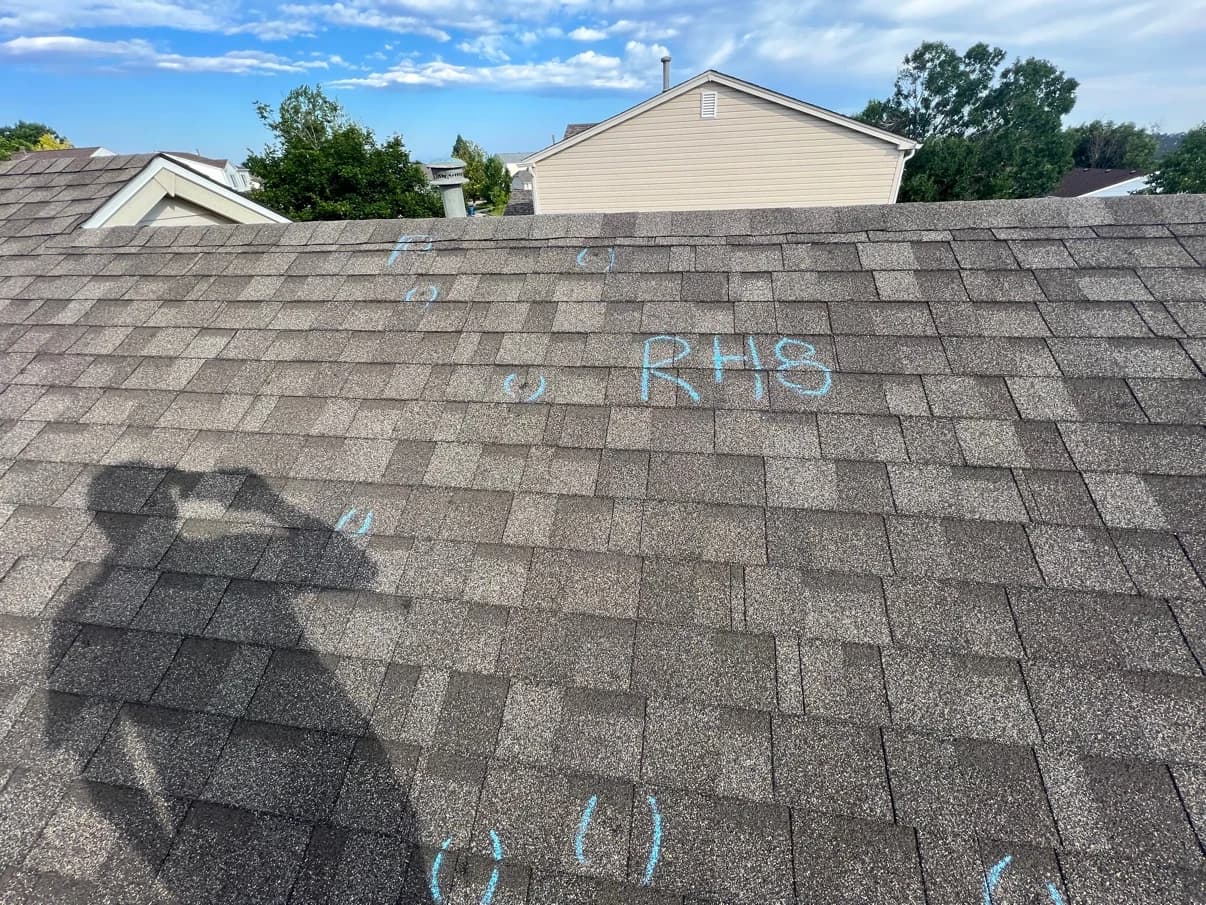
Understand the condition of your roof, the details that need attention and the next decisions to make. Useful information before a repair or replacement.
An inspection should help you make a decision. We review the roof information and accessible conditions, explain observations and identify whether the next step is repair, a replacement estimate or further investigation.
Share roof age if known, prior repairs, leak locations, storm dates and available warranties. Photos and records help direct attention to recurring concerns.
Assess visible roof coverings, flashings, penetrations and drainage with appropriate access. Attic access, moisture testing and destructive investigation are separate unless agreed in the scope.
Discuss the observed issues, assessment limits and recommended work. If you need a formal report, specific photos or a third-party document, identify the deliverable before scheduling.
A broad roof view and a close detail answer different questions. Keep both with the roof history and the limits of the assessment.
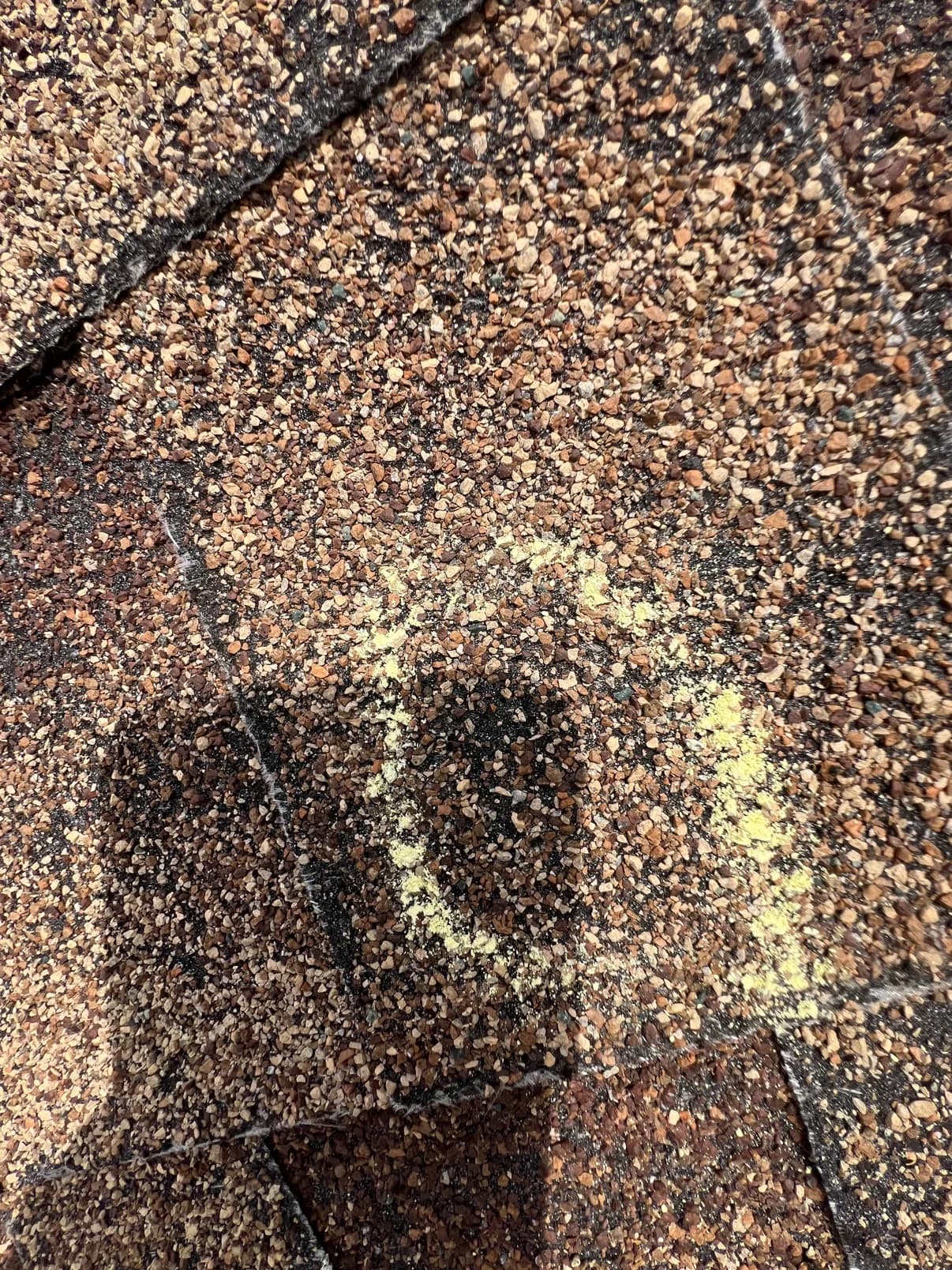
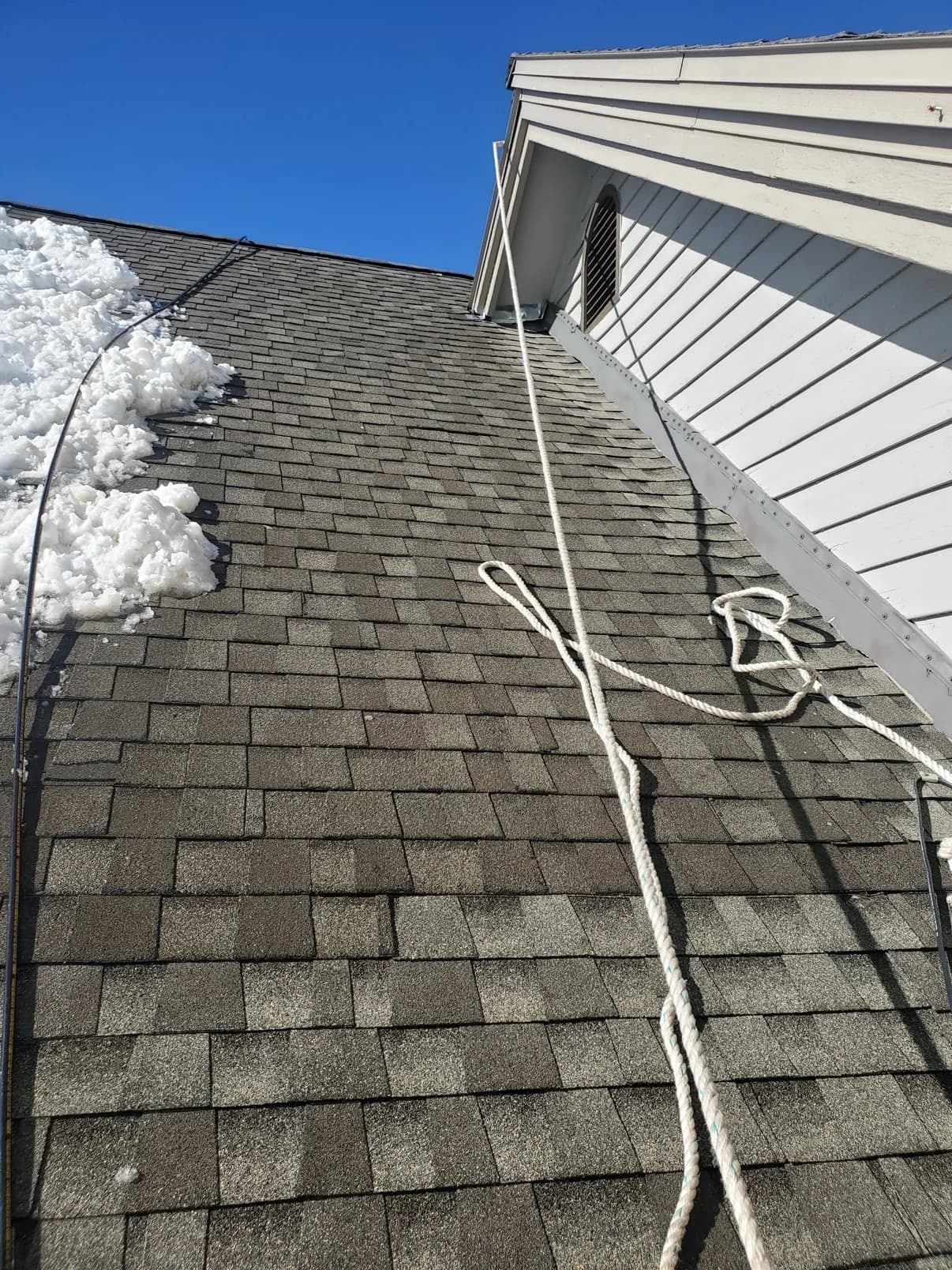
A useful record identifies the area reviewed, the visible condition and any access limits. Photos should be easy to place on the building, with the observations kept separate from the recommended work.
Ask which concern needs action, which detail needs further investigation and what can be monitored. Where repair or replacement is recommended, request a written scope for that work.
Define the question before arranging the visit. A leak investigation, a maintenance review and a pre-purchase condition report can require different access, evidence and reporting.
Project planning notes · Sources checkedNot automatically. An estimate proposes work and price; a condition review records findings. Agree on the purpose, included access and written deliverable before treating one as the other.
Explain whether the report is for a recurring leak, a maintenance decision, a purchase, an insurer request or capital planning. If a third party has a required form or qualification, provide it before the visit. A general estimate should not be assumed to satisfy that third party's standard.
Ask what will be documented, which areas can be reviewed and whether additional investigation could be needed. Keep repair recommendations separate from observations so the reader can see the evidence supporting the recommendation. NRCA's maintenance guidance supports a planned inspection history; the specific deliverable still needs to be agreed for the property.
Primary referencesNRCA: roof-system maintenance (opens in a new tab)
The report should state the access limitation and what alternative observations were possible. An inaccessible area should not be presented as inspected or assigned an unsupported condition finding.
Height, weather, fragile materials, restricted spaces and equipment can affect the review method. Ask whether observations were made from the ground, an aerial view, an interior space or direct roof access. Each can provide useful evidence, but they are not interchangeable.
GAF's commercial inspection article describes an inside-out approach that includes interior, perimeter and rooftop observations. That is a useful reminder to define the areas actually considered, not a promise that every residential inspection includes all three. If a blocked area matters to the decision, identify a separate access plan or further investigation rather than filling the gap with a favorable assumption.
Scroll the comparison to see every column.
| Area | Record the method | State the limit |
|---|---|---|
| Roof field | Direct or remote observation | Concealed or obscured conditions |
| Interior / attic | Included accessible spaces | Areas not entered or visible |
| Perimeter / junction | Photographed or examined detail | Adjoining work not opened |
Primary referencesGAF: the inside-out inspection approach (opens in a new tab)
It should connect the property and roof areas to dated observations, located photographs, access limits and recommended next actions. A folder of unlabeled pictures is difficult to use as a decision record.
Ask for consistent area names and photo references so another person can find the same location. A useful finding explains what was visible and why it matters to the question being asked. It should distinguish a maintenance item, a proposed repair and an issue requiring additional review.
Request the inspection date and relevant conditions, the available product or repair history, and a list of areas that were not reviewed. Keep the file with maintenance and later repair records. GAF discusses inspection reporting and roof-access records for building owners; the same record discipline can help organize a residential review without implying a manufacturer inspection or approval.
Primary referencesGAF: the inside-out inspection approach (opens in a new tab)NRCA: roof-system maintenance (opens in a new tab)
No. A visual review describes the conditions visible within its agreed method and access. It cannot guarantee future performance or establish every concealed condition.
A dry visit does not reproduce every weather event. Existing repairs may conceal earlier damage; coverings can prevent a view of underlying layers. If an exact question requires testing, selective opening or another specialist, identify that need and the proposed method before claiming the answer is known.
Ask for a clear separation between the observation, the interpretation and any uncertainty. An inspection may help organize maintenance or replacement planning, but a numerical lifespan should not appear without a stated basis and limits. Likewise, the absence of an obvious opening does not prove that an intermittent moisture complaint has been resolved.
Primary referencesNRCA: homeowner roofing questions (opens in a new tab)GAF: condensation and roof moisture (opens in a new tab)
Compare the locations, methods and evidence before comparing recommendations. Different access or a different question can produce reports that seem contradictory while describing different parts of the roof.
Use a short issue log. Put each disputed item beside its photo reference and ask what additional evidence would change the recommendation. One reviewer may be proposing maintenance while another is pricing a full reroof; those are not automatically competing condition findings.
For a storm claim, keep the contractor's construction findings separate from the insurer's coverage decision. NRCA's hail guidance notes that a reinspection may be requested when findings differ. Ask the appropriate party about the process and keep communications dated. A larger estimate alone does not establish the cause of damage or prove an insurer's decision is incorrect.
Scroll the comparison to see every column.
| Item | Compare first | Resolve next |
|---|---|---|
| Location | Same roof area and detail? | Locate each photo |
| Finding | Observation or assumed cause? | Identify missing evidence |
| Action | Repair, review or replacement? | State the basis and boundary |
Primary referencesNRCA: roof repair after a hailstorm (opens in a new tab)
Turn each recommendation into a named next action with a responsible party. Keep immediate protection, planned maintenance, further investigation and construction proposals separate.
Ask which concern should be addressed first and why, based on the actual condition. Do not substitute a website's generic priority label for a property-specific assessment. Record what can be scheduled, what needs a further decision and what remains outside the roofing scope.
When repairs are completed, add their dates, locations and photographs to the original report. Future comparisons are easier when the next reviewer can see what changed. NRCA emphasizes regular inspections and maintenance rather than waiting for a failure; an organized history supports that approach without promising that every future problem can be predicted.
Primary referencesNRCA: roof-system maintenance (opens in a new tab)
Name the roof area and pair context with a detail view.
Record the visible condition without turning a possibility into a finding.
State access and method limitations; identify the next decision.
Use this checklist to prepare for your roof assessment.
An assessment should explain the condition of the surrounding roof as well as the visible damage.
A flashing detail, damaged section or isolated leak may be repairable when the surrounding roof is serviceable. Material compatibility and access matter.
Understand roof repairsWidespread deterioration, recurring problems or an assembly near the end of its useful life may change the decision. Compare the full scope before committing.
Plan a roof replacementA useful repair proposal identifies where the work starts and ends, what materials are used and which related conditions need further review.
Observed condition & repair location
Compatible repair materials & detail
Limits, related work & follow-up
Roof history and reason for the assessment
Accessible covering and flashing observations
Penetrations, edges and drainage review
Photos or report deliverables as agreed
Access and concealed-condition limitations
Repair, estimate or further-investigation recommendations
Additional work and concealed damage follow the authorization process in your written agreement.
Check the latest month included in NOAA’s Storm Events Database before searching. Historical records and daily storm reports update on different schedules. A missing recent archive entry does not establish whether your roof has damage; keep the storm date and property observations with the assessment request.
Plan the roof assessmentHave a question about your property?
Talk with our team
No. A condition assessment does not automatically provide a lender certification, engineering opinion, remaining-life guarantee or insurance approval. Tell us who needs the document and exactly what they require before booking.
A visual assessment cannot establish every hidden condition. Roof layers, wet insulation or concealed deck damage may need additional access, testing or exploratory work that is separately agreed.
Yes. Send the property location, storm date and any leak information. We discuss access and documentation needs, then confirm the assessment scope and availability.
The estimate request is free. Confirm the scope and any fee before scheduling a formal inspection, detailed written report, testing or other specialist service.
Share the Colorado location, what you need and when you need it. Our team will help you understand the next step.
(720) 325-9473Active leak? Call to confirm availability.