01
Make a practical decision
Review roof age, recurring leaks, material condition and repair history. Compare a targeted repair with replacement where each is a reasonable option.
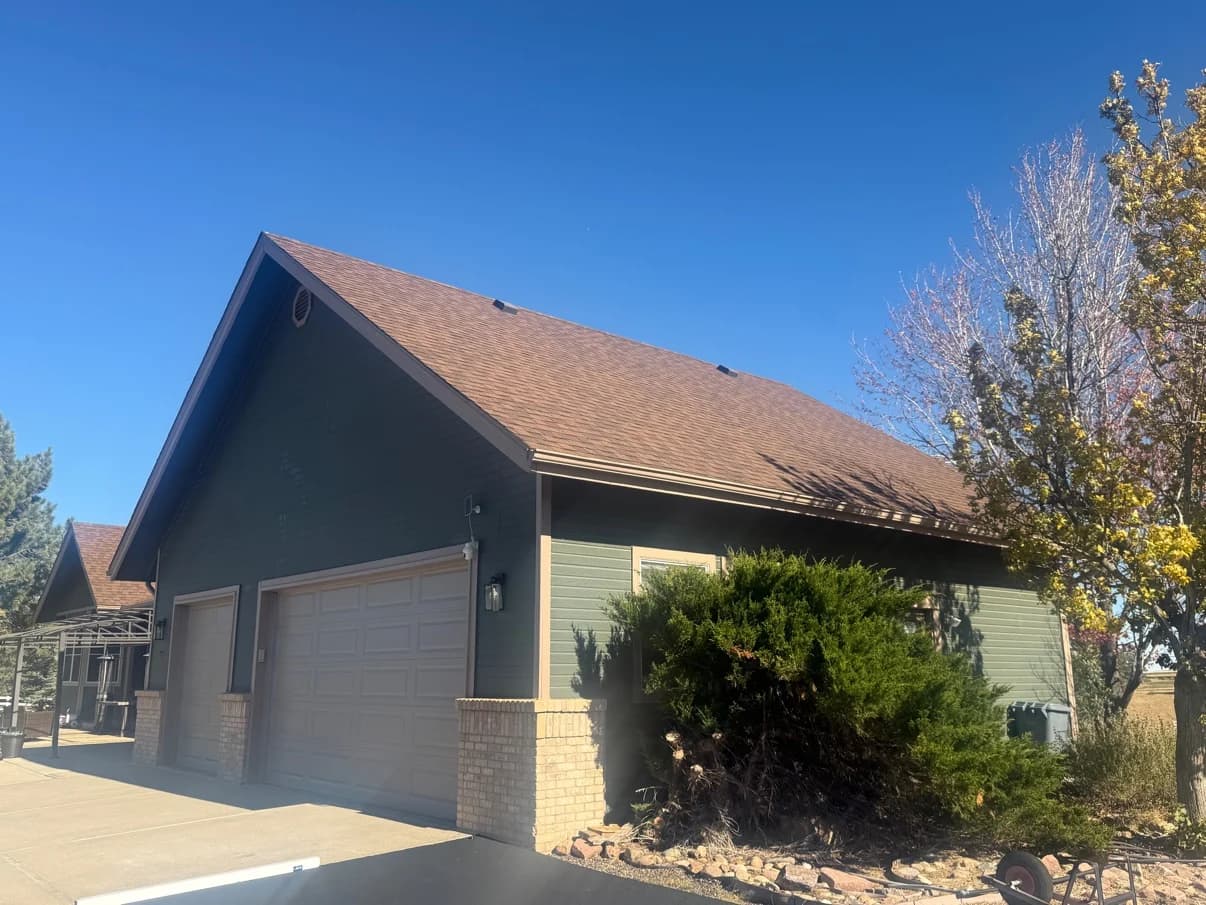
Protect your home with roof repairs, replacement and material choices that make sense for your property. Start with a closer look and a clear estimate.
Your roof project should fit the home and the people living in it. We discuss material choices, access, property protection and the steps from assessment through cleanup, with a clear scope and coordinated communication from our team.
Review roof age, recurring leaks, material condition and repair history. Compare a targeted repair with replacement where each is a reasonable option.
Explore shingle, metal or tile options with the accessories and details the home needs. Check HOA choices and project requirements before ordering materials.
Discuss driveway access, vehicles, landscaping, pets, debris removal and daily cleanup. Coordinate gutters, siding or interior repairs when they belong in the project.
Your roof meets gutters, trim, walls and the spaces you use every day. Plan the roofing work with those connections in view.
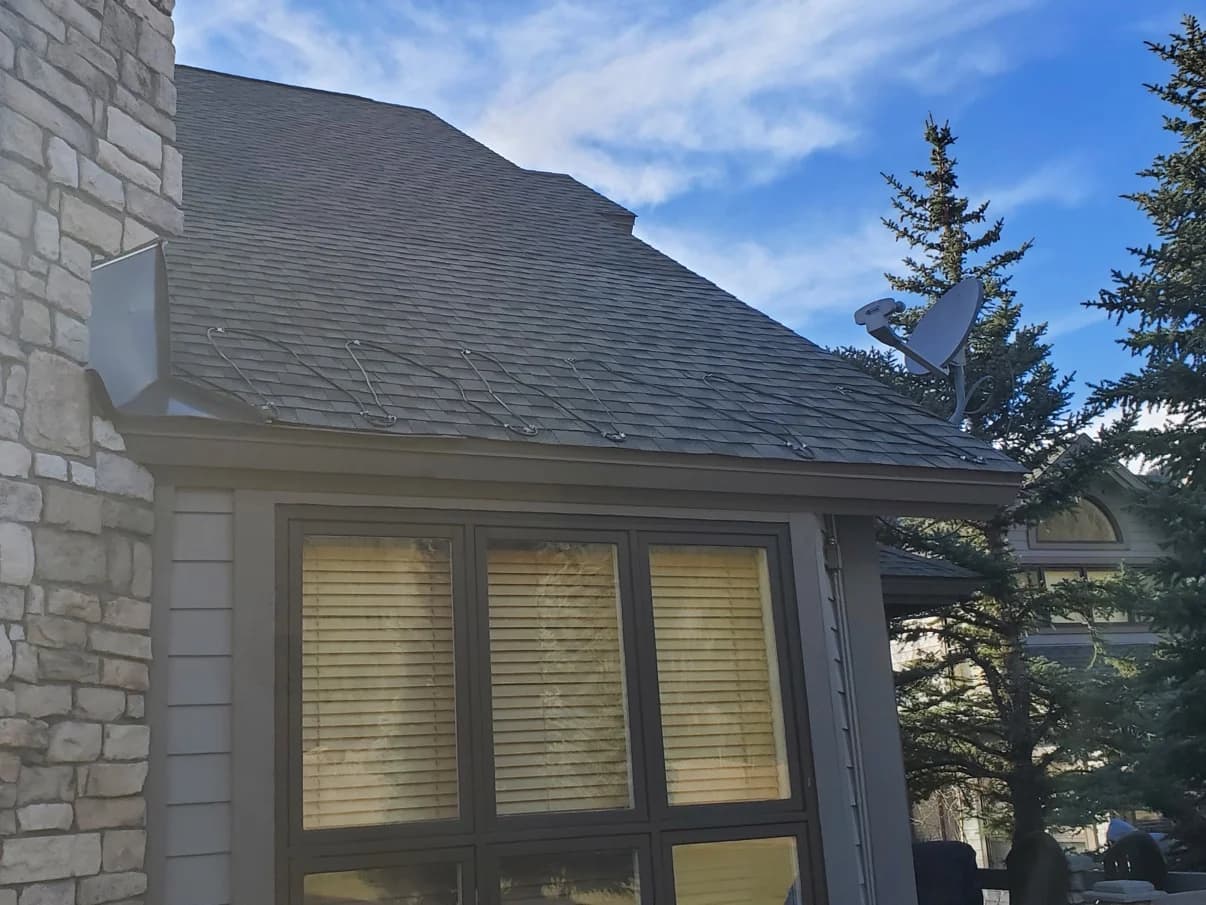
Yes. Tell us whether gutters, fascia, soffit, siding or other exterior work are part of the request. Each trade needs a defined scope, with the sequence and adjoining details coordinated in the written proposal.
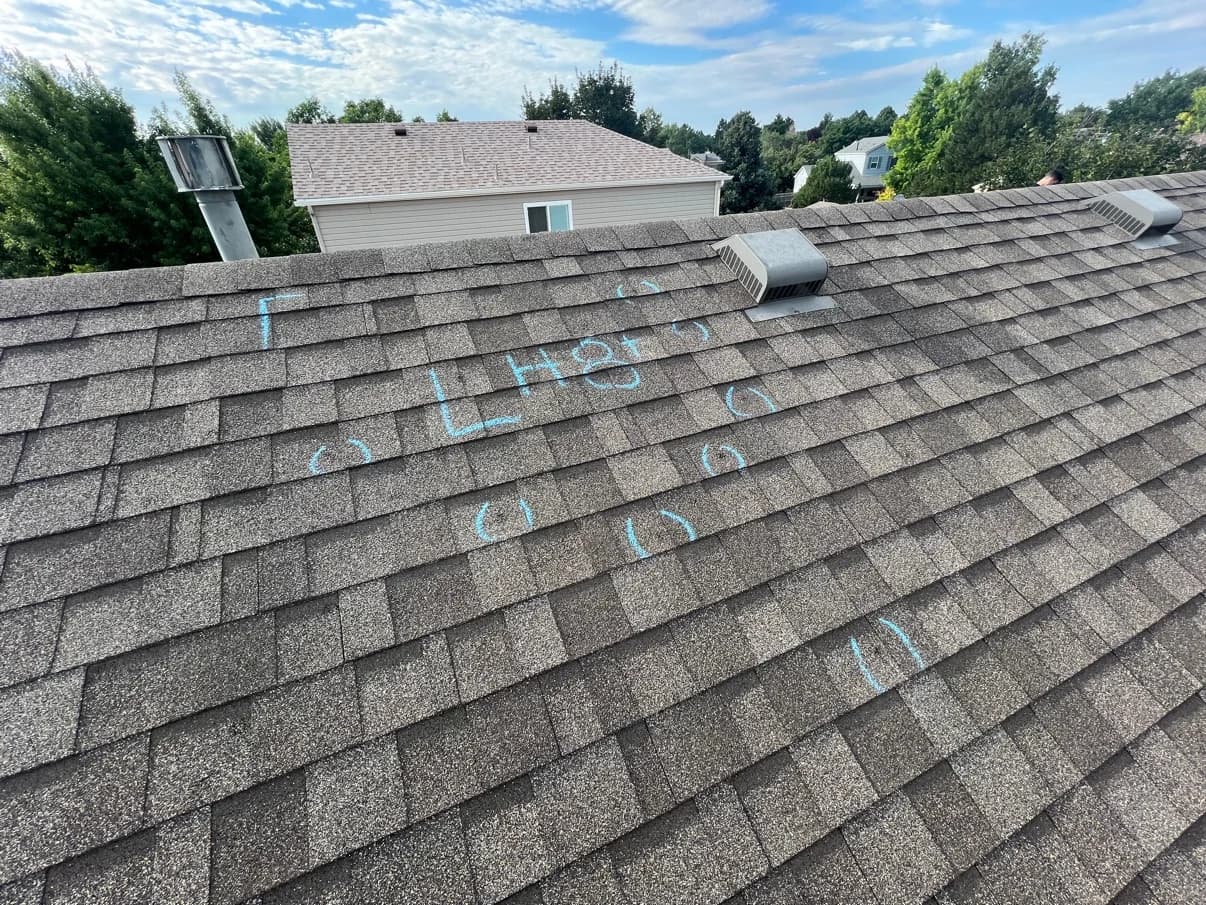
Start with the condition of the existing roof, the material options you want to compare and your project priorities. Discuss access, property protection and the work around the home before scheduling.
Start with the building, then compare the covering. Materials, attic conditions, roof geometry and adjoining exterior work need to fit together before color and price become the final decision.
Project planning notes · Sources checkedThe useful choice is the material and complete assembly that suit the roof geometry, building conditions and project priorities. There is no single covering that is best for every Colorado house.
Compare the look you want with the changes required to use it. Ask about the existing roof, transitions, supporting structure and the manufacturer's assembly requirements. A change from one covering to another can involve more than replacing the visible surface; identify any needed professional review before treating options as equivalent.
Set out your priorities in order: appearance, repairability, maintenance expectations, noise concerns, owner approvals or a particular product rating. Then ask each proposal to show how it responds. NRCA's material resources offer a starting overview; the property's assessment and current product documents establish whether a specific option belongs in the final scope.
Scroll the comparison to see every column.
| Priority | Question to settle | Keep in the file |
|---|---|---|
| Appearance | Does the actual sample suit the house? | Product, profile and color |
| Building fit | What changes does this assembly require? | Assessment and necessary review |
| Ownership | What maintenance and written terms apply? | Current instructions and coverage |
Primary referencesNRCA: homeowner roofing questions (opens in a new tab)NRCA: understanding roof-system warranties (opens in a new tab)
The covering is one part of the assembly. The proposal should also address its base, supporting protection, junctions, roof edges and any relevant ventilation components.
GAF's component guide distinguishes the jobs of deck protection, leak barriers, starter, field shingles, ridge products and ventilation in a shingle system. A metal, tile or low-slope assembly uses its own product-specific approach. Do not read one manufacturer's shingle illustration as a universal layer order for every roof.
Ask for the named products and the interfaces that matter at your home. A system description should make it possible to recognize what is being supplied and what remains from the existing roof. If two proposals name different accessories or supporting layers, ask why before assuming the difference is only branding.
Primary referencesGAF: the parts of a residential roof (opens in a new tab)
No product rating guarantees that a roof will avoid damage in every storm. Use the exact product's published test classification as one comparison point and ask separately about insurance treatment.
CertainTeed describes impact classes as laboratory test results. That classification does not identify the condition of the existing deck, the quality of a particular installation or the outcome of a future storm at the property. Keep the exact product name and current documentation with the proposal.
Colorado DOI advises owners considering hail-resistant materials to ask their insurer about possible premium or deductible incentives. Availability and documentation requirements depend on the insurer and policy; a roofing quote should not promise a discount. Compare the upgrade price and the written insurance response as separate pieces of the decision.
Scroll the comparison to see every column.
| Document | What it can establish | What it does not establish |
|---|---|---|
| Product test record | Published classification | No future hail damage |
| Construction proposal | Specified assembly and price | Insurance eligibility |
| Insurer confirmation | Policy-specific treatment | A construction specification |
Primary referencesCertainTeed: impact-resistant shingles (opens in a new tab)Colorado DOI: hail damage and insurance (opens in a new tab)
These connections need a detail that joins the roof to the actual building. A material choice alone does not explain how water is managed where surfaces intersect.
Locate chimneys, skylights, vents, dormers, valleys and walls on the roof-area plan. Ask which items are being replaced, which remain and what adjoining access is needed. A wall connection may involve a different trade or an exterior finish that is not included in a basic reroof.
GAF identifies flashing as a distinct water-directing part of a roof. The question for the proposal is therefore specific: which connection, which compatible detail and which responsibility? A photo of a neat finished shingle field cannot show every hidden tie-in. Ask for appropriate construction-stage records where details will later be covered.
Primary referencesGAF: the parts of a residential roof (opens in a new tab)GAF: common roof-leak causes (opens in a new tab)
It may be part of the response, but those symptoms need their own assessment. Air leakage, insulation, ventilation and water entry are related questions that should not be reduced to a shingle replacement.
Describe which rooms are affected, the season and whether moisture is widespread or localized. Tell the reviewer about previous insulation or mechanical work. ENERGY STAR's attic guidance identifies several comfort and moisture concerns that may merit an energy or attic assessment.
Ask the proposal to distinguish roofing changes from interior air-sealing, insulation or exhaust work. The appropriate approach depends on the existing assembly and access. Do not assume that adding one vent type will resolve the issue, or that insulation work automatically forms part of the roofing contract. Identify the specialist and the handoff where the investigation goes beyond the agreed scope.
Primary referencesENERGY STAR: attic air sealing (opens in a new tab)GAF: condensation and roof moisture (opens in a new tab)
Coordinate the work when the interfaces require it, but price and authorize each responsibility explicitly. Doing work together does not mean every adjacent item is included.
List what is attached to, supported by or routed through the roof. Ask who handles equipment disconnection and reinstatement, who evaluates damaged mounting surfaces and how retained finishes are protected. Keep product and installer requirements visible when another trade's work affects the roofing.
For the household, also plan entrances, parking, pets and the spaces used during construction. NRCA recommends discussing supervision and quality control as part of contractor selection. A named project contact and an agreed sequence help the homeowner understand what happens when two trades need the same area, or when a concealed condition changes the order of work.
Primary referencesNRCA: selecting a roofing contractor (opens in a new tab)
Material, profile and product-specific requirements.
Deck, underlayment and compatible accessories.
Walls, drainage, attic conditions and everyday use.
Use this checklist to prepare for your roof assessment.
An assessment should explain the condition of the surrounding roof as well as the visible damage.
A flashing detail, damaged section or isolated leak may be repairable when the surrounding roof is serviceable. Material compatibility and access matter.
Understand roof repairsWidespread deterioration, recurring problems or an assembly near the end of its useful life may change the decision. Compare the full scope before committing.
Plan a roof replacementA leak and a replacement need different answers. Choose a starting point and see what the work involves.
All roofing servicesA new roof, from material selection to the final cleanup.
Explore this serviceFind the source of the problem and understand your repair options.
Explore this serviceRoof repairs, reroofing and plan-based bids for your building.
Explore this serviceRoof assessments and construction documentation after the storm.
Explore this serviceGet a closer look at shingles, metal, tile and commercial membranes. Rotate a sample, separate its layers and see what goes into the roof.
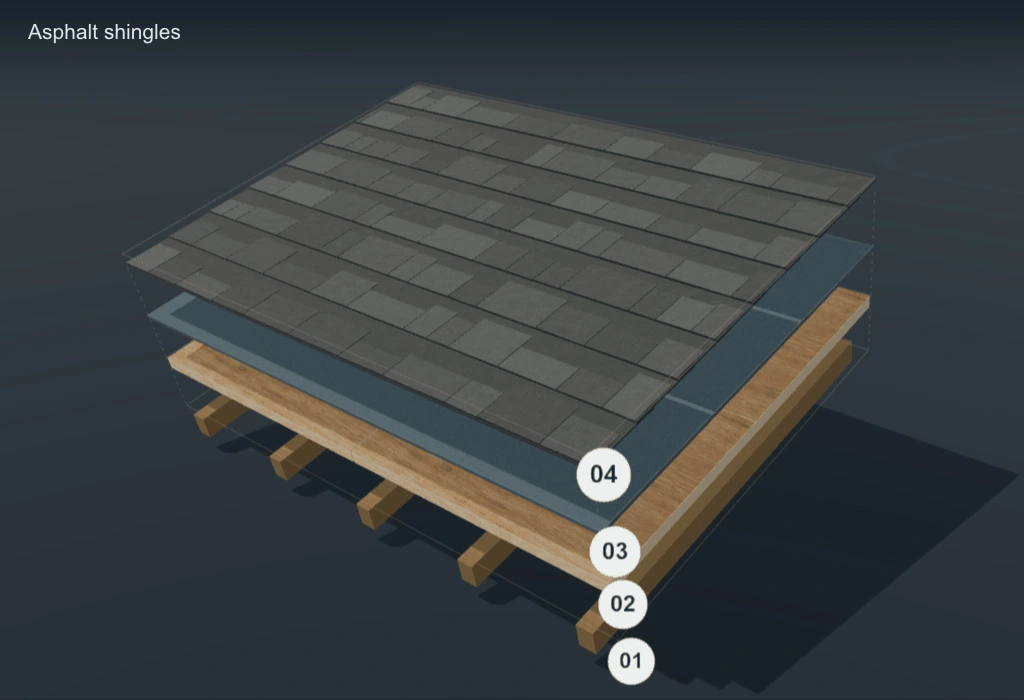
Drag to rotate. Select a numbered layer to look closer.
Dimensional texture, a broad color range and impact-rated options for Colorado homes. Overlapping courses shed water over a coordinated deck, underlayment and flashing system.
Simplified example assembly. Not to scale or an installation detail. Actual layers, attachment, flashing, ventilation and drainage depend on the building, selected products and project requirements. Impact ratings describe a test result. No roof is hail-proof.
Compare products from established roofing brands. Our team helps you choose the materials, colors and assembly for your property.
Understand the choices, the work and what happens next.
Share the location, the problem and your timing.
Review condition, materials and the useful extent of work.
Go through the estimate, access, protection and schedule.
Finish the agreed work, cleanup and project review.
Your estimate should explain the installation, the property protection and how additional work is authorized.
Materials & agreed work
Access, protection & schedule
Changes, cleanup & written terms
Roof condition review and homeowner priorities
Repair and replacement options
Materials, color and assembly selection
Flashing, ventilation and roof-edge details
Property protection, access and disposal
Payment schedule, closeout and warranty terms
Additional work and concealed damage follow the authorization process in your written agreement.
Check the local authority rather than assuming a statewide rule. For projects it reviews, Boulder County lists UL 2218 Class 4 asphalt shingles in its roofing requirements. The County also explains that municipalities generally handle their own permits. Confirm the address, applicable exception process and selected product before ordering.
Compare asphalt-shingle optionsHave a question about your property?
Talk with our team
Send the property type and location. We review homes, rental properties, multifamily and HOA projects, then confirm access, scope, approvals and scheduling requirements.
Yes, both can be included when agreed in the proposal. Coordinating roof edges, fascia and gutters helps establish which work comes first and prevents gaps between separate scopes.
Your community may have requirements for roofing material, color or exterior changes. Check the association's process and share the requirements before final selections and material ordering.
Yes. We discuss the proposal's deposit, progress and final payment terms before authorization. Any financing must be separately confirmed; compare the lender's APR, fees, payment schedule and approval conditions before agreeing.
Share the Colorado location, what you need and when you need it. Our team will help you understand the next step.
(720) 325-9473Active leak? Call to confirm availability.