For homes & shared roofs
Solve the problem first, then choose the right extent of work.
A leak to solve. A roof to replace. A building to protect. Find your service, compare materials and get useful answers before the work begins.
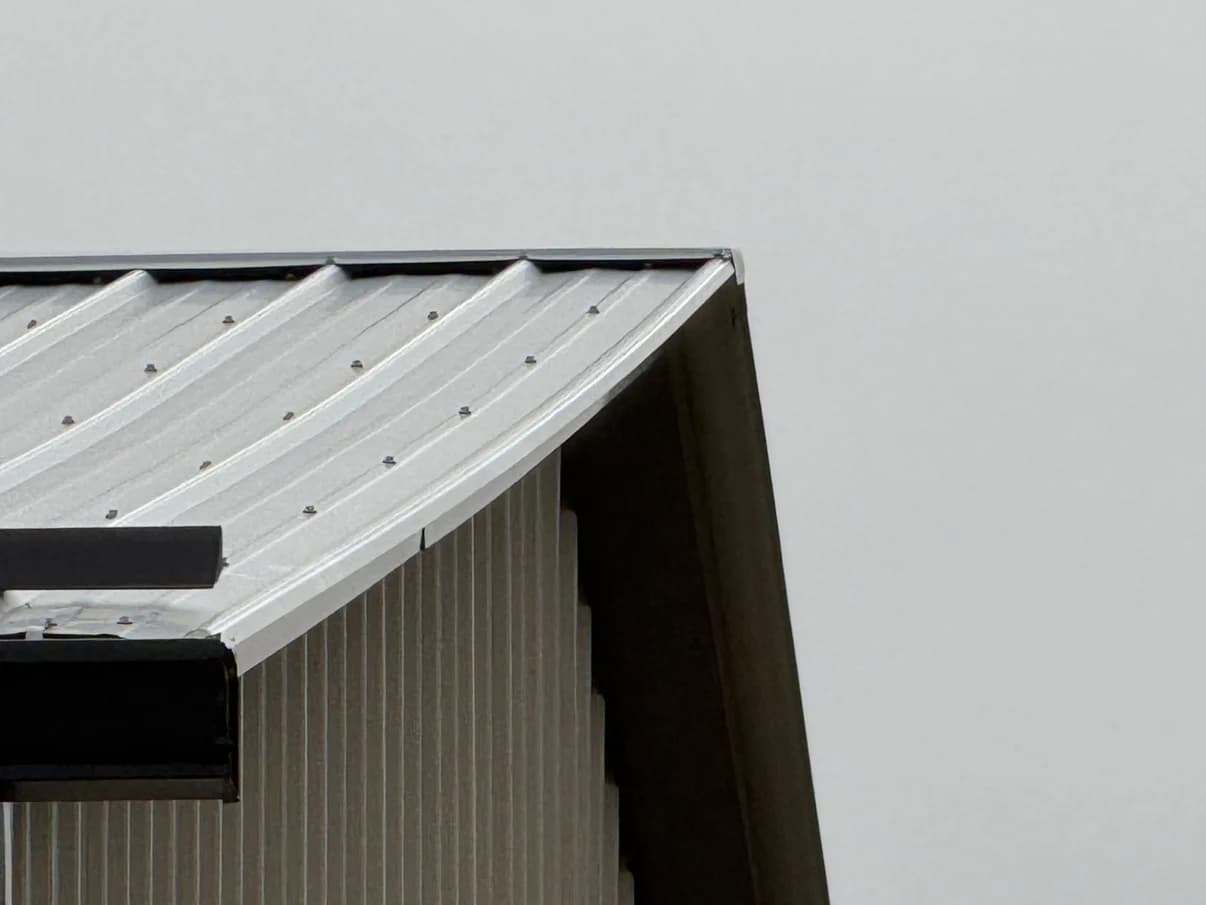
Metal and shingle roof planes, timber cladding and stonework in one view.
Browse by the problem, the material or the property. If you are unsure, start with a roof assessment.
Solve the problem first, then choose the right extent of work.
Compare the visible finish and the complete assembly beneath it.
Connect the roof scope with building operations and project requirements.
A leaking bedroom, a worn roof and a commercial reroof need different starting points. Bring the concern, the building and the work you want to compare into one conversation.
Describe the concern before choosing the remedy: when it happens, which areas are affected and what has been repaired before. An assessment can then distinguish a defined repair from a wider replacement proposal.
If you want both options, ask for each work boundary and the conditions that could change it. A small visible symptom does not establish the size of the concealed problem.
Yes. List gutters, fascia, soffit, siding or interior finish repairs in the request. Identify each trade’s work and sequence in the proposal so a roofing price does not silently stand in for the entire restoration.
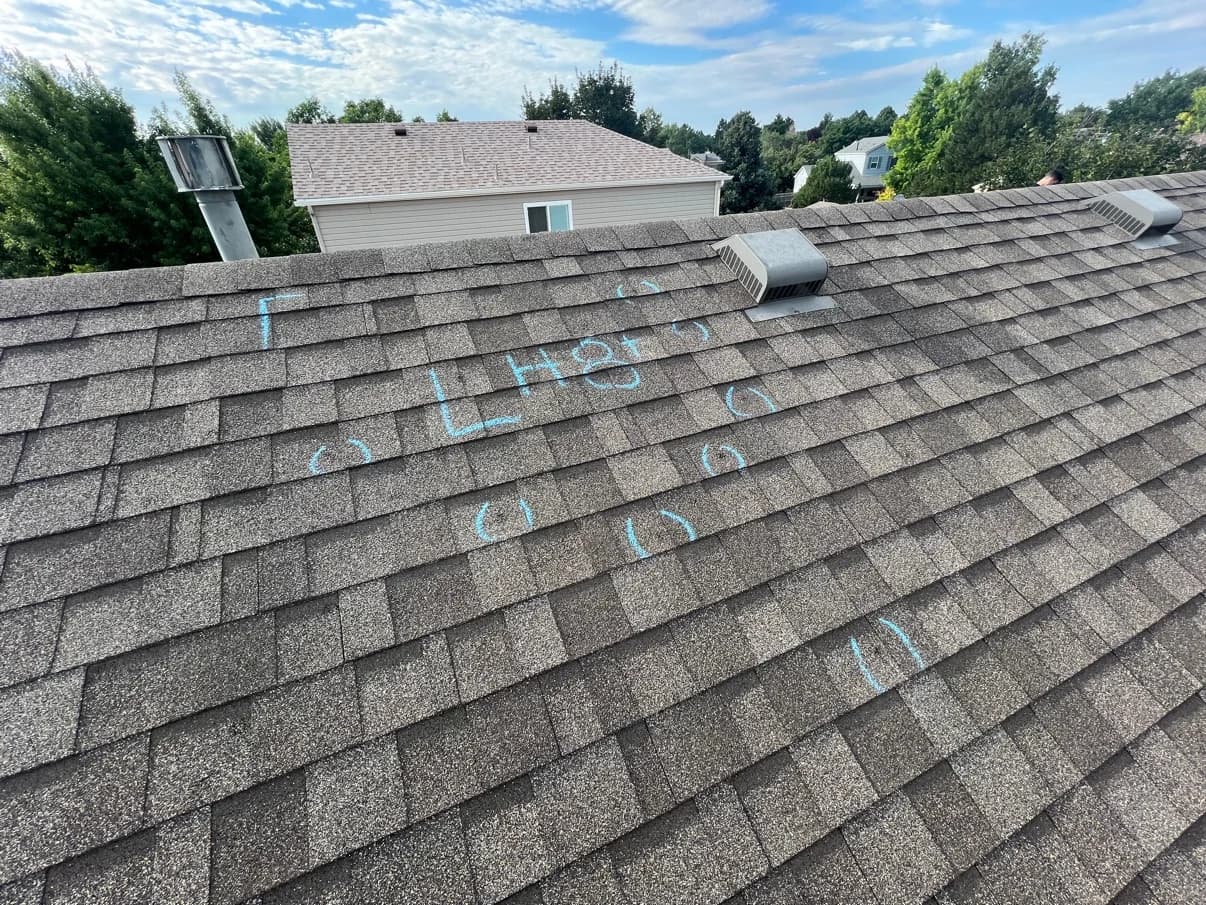
Send the actual property address, building use, roof concern and desired timing. Add original photos taken from a safe location, plus any plans, earlier reports or product records. The address helps identify the local review path; it is not just a travel detail.
Dealing with a leak, comparing materials or planning a full replacement? Find the right next step and the information to bring to your estimate.
Project planning notes · Sources checkedIf you know what needs fixing, request a repair estimate. If you don’t know what’s wrong, start with an assessment. For a new roof, ask for a replacement proposal that explains removal, materials and installation.
Tell the team whether you are trying to stop a recurring leak, understand a roof before purchasing a property, compare replacement materials or organize a commercial project. Those are different assignments even when the building is the same. An inspection should establish visible conditions and limits; a replacement proposal should define construction work.
Avoid choosing a full replacement only because a stain appeared, or choosing a small patch before the affected junction has been understood. Ask what evidence supports the recommended extent of work. NRCA's homeowner guidance distinguishes a repairable problem from broader system failure; the actual property review resolves which situation applies.
Scroll the comparison to see every column.
| Your question | Useful first step | Decision to bring back |
|---|---|---|
| Where is moisture entering? | Leak assessment | Investigation and repair boundary |
| What condition is this roof in? | Condition review | Findings, limits and next actions |
| What should the new roof include? | Replacement planning | Removal, assembly and written terms |
Primary referencesNRCA: homeowner roofing questions (opens in a new tab)
The geometry, water path and existing assembly narrow the appropriate material discussion. A shingle-covered slope and an adjoining low-slope area should not be treated as one interchangeable roof surface.
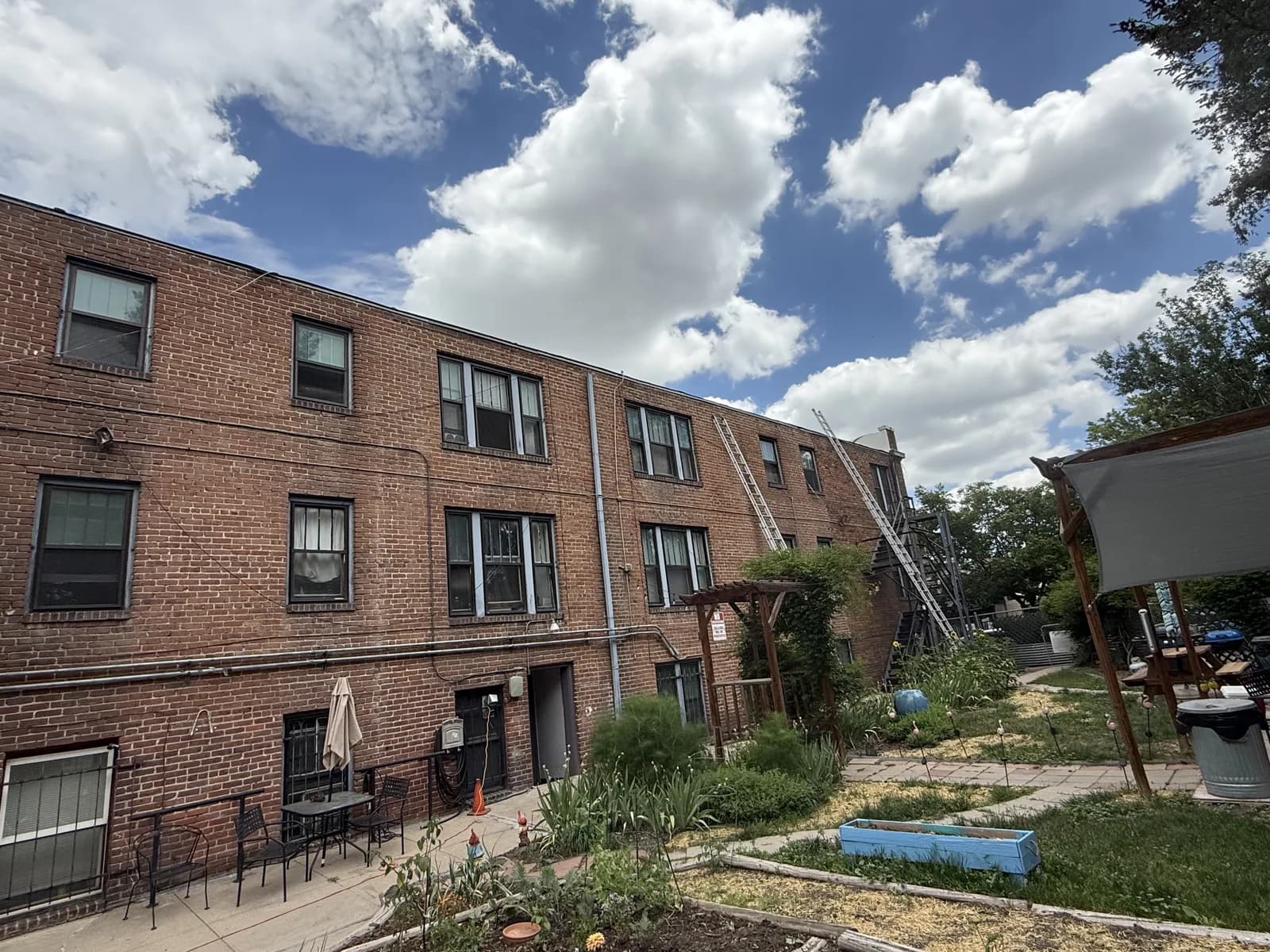
A broad photograph helps locate different roof planes, additions, parapets and connections to walls. Existing drawings and product records are better evidence of an assembly than its color in an aerial image. Label roof areas separately when the property has several materials.
Discuss the field covering alongside its supporting layers, perimeter and penetrations. GAF's residential component guide shows how different parts perform different jobs; it is an example of a coordinated system, not a specification for every property. Ask the proposed product's manufacturer documents to establish the applicable assembly rather than transferring details from a different roof type.
Primary referencesGAF: the parts of a residential roof (opens in a new tab)
Use a location-based scope with a named responsibility at each connection. An exterior item being adjacent to the roof does not automatically include it in the roofing price.
Start with the roof area, then list the junctions affected by the planned work. A gutter may need removal for roof-edge access; damaged fascia may need a separate repair; a wall flashing may depend on siding or masonry access. Write down who evaluates each condition and who completes the reinstatement.
For a property manager, add access restrictions, occupied entrances, equipment service and delivery routes. A useful handoff describes what is included, what another trade must do and what happens if an adjoining condition is exposed. This keeps an apparently complete roof price from concealing an unfinished connection.
Scroll the comparison to see every column.
| Interface | Question for the proposal | Record the answer |
|---|---|---|
| Roof / gutter | Removal, support and reinstatement? | Included, separate or excluded |
| Roof / wall | Access and flashing responsibility? | Trade and detail to be confirmed |
| Roof / equipment | Who disconnects and restores it? | Named coordination and timing |
Primary referencesNRCA: selecting a roofing contractor (opens in a new tab)
Compare the work boundary, removal assumptions, selected assembly and conditions that can change the price. Two totals are useful only after you know what each one purchases.
Make a short comparison sheet using the same roof-area names for every proposal. Check whether tear-off, disposal, deck repairs, flashings, ventilation, drainage and closeout are included or qualified. Keep elective upgrades separate from the base scope so a material change is not mistaken for a lower labor price.
An allowance should explain its measurement basis and authorization process. An exclusion should identify what remains unresolved and who is expected to handle it. NRCA recommends a written description of the work, specifications, timing and payment procedures. Use that as a starting framework, then resolve the property's actual interfaces in writing.
Primary referencesNRCA: selecting a roofing contractor (opens in a new tab)
Confirm the actual address, governing jurisdiction and planned work before relying on a permit or contractor-requirement answer. A nearby city's process is not automatically the process for your property.
Mailing addresses, unincorporated areas, historic properties and different types of work can lead to different application routes. Ask who confirms the authority, obtains any required permission and arranges inspections. Keep an HOA material approval separate from a building permit; they answer different questions.
Denver's official quick-permit page, for example, separates roofing from the general construction permit and identifies additional routes for some properties. This illustrates why an address-specific check matters. Use the official local department for your own scope and ask the contractor to state the project's requirements instead of accepting a statewide blanket answer.
Primary referencesDenver: roofing permits and project paths (opens in a new tab)
Send what you can establish: the property location, the reason for the request, a timing history and safe photographs. Mark missing information as unknown instead of filling it with a guess.
A photograph from the ground, an interior stain location and an old invoice can each answer a different question. Preserve the original files and explain whether a photo is current. If previous repairs were attempted, include when they occurred and whether the symptom changed. A hand-drawn room location can be more useful than an unsupported diagnosis.
Do not climb onto the roof to complete an intake checklist. The assessment can identify what can be safely accessed and what further records are needed. The goal of the first file is to describe the problem clearly enough to choose a sensible next step, without presenting observations as confirmed causes.
Primary referencesNRCA: roof repair after a hailstorm (opens in a new tab)NRCA: roof-system maintenance (opens in a new tab)
Record the location, timing and visible condition.
Define what the assessment needs to establish.
Compare the same areas, assemblies and written responsibilities.
Use this checklist to prepare for your roof assessment.
Two estimates can describe very different work. Use the same questions for each proposal before comparing the price.
Use the estimate comparison guideBrowse all roofing resourcesUse the guide to compare your actual proposals. The questions above are an example, without sample prices.
Get a closer look at shingles, metal, tile and commercial membranes. Rotate a sample, separate its layers and see what goes into the roof.
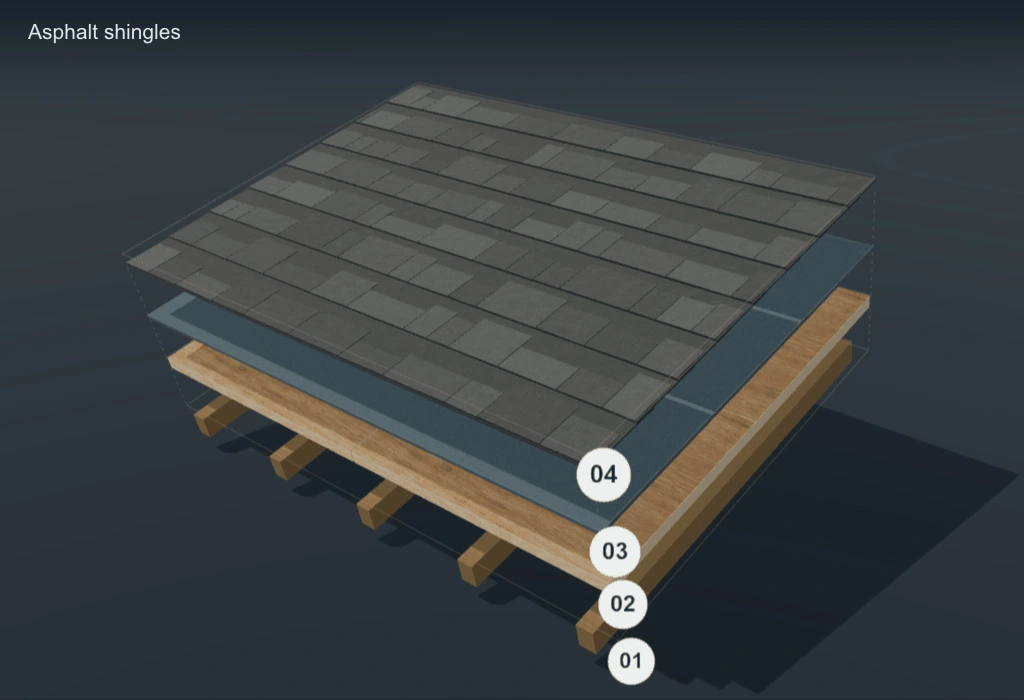
Drag to rotate. Select a numbered layer to look closer.
Dimensional texture, a broad color range and impact-rated options for Colorado homes. Overlapping courses shed water over a coordinated deck, underlayment and flashing system.
Simplified example assembly. Not to scale or an installation detail. Actual layers, attachment, flashing, ventilation and drainage depend on the building, selected products and project requirements. Impact ratings describe a test result. No roof is hail-proof.
Compare products from established roofing brands. Our team helps you choose the materials, colors and assembly for your property.
Send the property location, leak history, available roof records and your operating requirements. We discuss the assessment and project options.
Request a building reviewShare roof plans, specifications, addenda, forms and any required site visit or qualifications. We confirm project fit before committing to a bid.
Send plans for reviewHave a question about your property?
Talk with our team
Send the project city or ZIP. We review roofing requests across Colorado, with Denver and the Front Range at the center of our service area. Travel, site access and project size are confirmed before scheduling.
That depends on roof condition, the source of the problem and whether a repair can address it reliably. We explain the observed issues and compare the relevant options rather than treating every leak as a replacement.
Your address or city, the roof problem, photos from a safe location and your timing are a useful start. For commercial bids, include the plan set, specifications, addenda and due date.
Your proposal states payment milestones, included work and available written warranty terms. Any financing option must be separately confirmed with its provider; approval, rates and payments are not guaranteed by requesting an estimate.
Share the Colorado location, what you need and when you need it. Our team will help you understand the next step.
(720) 325-9473Active leak? Call to confirm availability.