
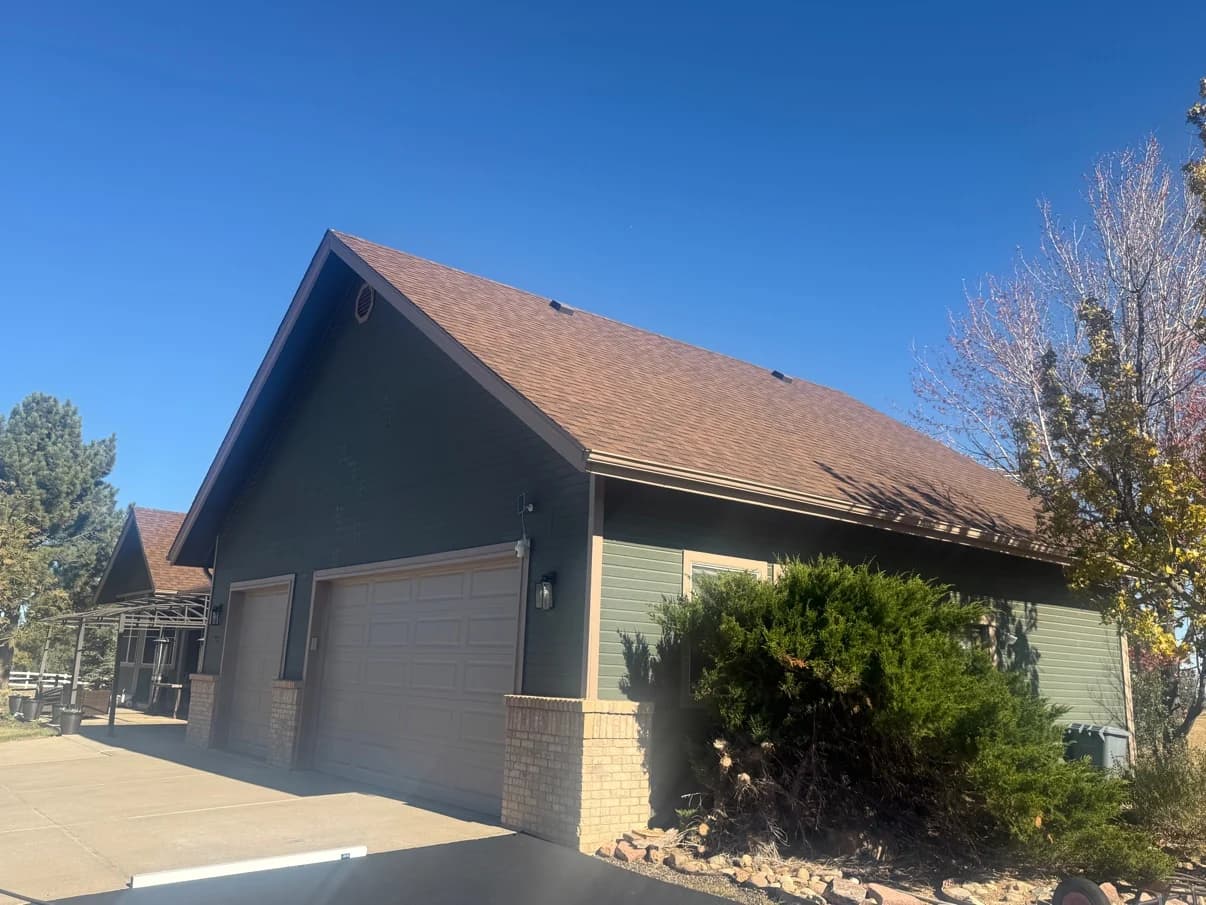
Two roof proposals can name the same shingle and still cover different jobs. One may include only a basic tear-off; another may identify additional flashing, ventilation work or a decking allowance. A useful comparison makes those differences visible before you approve a price.
Start with the roof replacement service information, then use the checklist below when discussing your property. This is a way to organize proposals, not a remote diagnosis or a promise that every roof needs the same assembly.
Put the same roof areas on every proposal
Ask which structures and roof sections are included: the main house, attached garage, porch, dormers, additions and any low-slope area. A total based on the main roof alone should not be compared with one covering every roof on the property.
Have the contractor describe the existing covering and the proposed removal. Ask whether multiple layers, inaccessible sections or unusual disposal are included or treated separately. If a quote uses a measurement report, confirm that it is a starting measurement and that site conditions will also be reviewed.
Keep a copy of the scope drawing or marked photograph if one is provided. It is easier to resolve a missing porch area before work than during a tear-off.
Make decking uncertainty explicit
The condition of concealed decking may not be fully known before removal. Ask what visible evidence has been considered, what investigation is included and what happens if unsuitable material is exposed.
The proposal should explain the approval process for additional work. Useful questions include whether a stated quantity is included, how added material and labor are priced, what photographs or measurements will be provided, and who can approve a change. Do not assume that a low allowance means the roof is in better condition.
Keep decking and structural questions separate. Replacing a damaged sheet is different from correcting a support or framing problem; the contractor should identify when further assessment is needed.
Compare the complete water-shedding assembly
Ask for the actual shingle line, underlayment, leak-barrier areas, starter and ridge components. Manufacturers describe a roof as a coordinated assembly rather than shingles alone. GAF's roof-component guide explains the different roles of these layers.
Also ask which edge metals, wall intersections, valleys and penetrations are being addressed. “Flashing as needed” deserves a conversation: what will be replaced, what may be reused, and what condition makes reuse unacceptable? A proposal should not leave you guessing whether the chimney, skylight or plumbing penetration was considered.
Ventilation should be reviewed as part of the actual roof and attic conditions. Request the proposed approach and responsibility for any changes rather than choosing a roof by the number of vents shown in a brochure.
Account for access, protection and daily disruption
Discuss delivery space, driveway access, landscaping, gates, overhead lines and where debris containers can be placed. Tell the estimator about pets, tenants, shared access and areas that must remain available.
Ask how the property will be protected during removal, how temporary weather protection will be handled, and what cleanup is included. Confirm who communicates a weather delay and whether temporary restrictions affect garage use or parking. These practical items can influence a proposal even when the roof area is identical.
Use a side-by-side scope check
Before choosing, compare these items in writing:
- Included buildings and roof sections
- Existing material removal and disposal assumptions
- Decking investigation, allowance and change-approval method
- Named roofing products and accessory scope
- Flashing, penetrations, edges and ventilation work
- Access, property protection, cleanup and schedule assumptions
- Payment milestones, exclusions and proposed written warranty terms
The Owens Corning contractor checklist also emphasizes a written description of the work. Use it to ask questions; do not assume that a contractor belongs to a manufacturer program without verification.
Finish with a clear decision record
If you prefer a different material or accessory package, request a separately described option. Record why one proposal costs more before deciding whether that difference matters to your home. Avoid judging an incomplete scope as a bargain simply because its total is smaller. Use the roofing estimate comparison resource to carry the same questions into your proposal review.
Send Peak your roof project details with the areas you want reviewed and the questions you still need answered. An estimate discussion should lead to a defined proposal before installation is scheduled.