
Siding samples help you choose a look, but a few attractive boards do not describe the whole project. Existing-wall condition, trim, openings, roof intersections and the finish system can change both the proposal and the ownership experience.
Use this guide to organize a siding installation estimate. The aim is a fair comparison between specific products and complete scopes. Brand families contain different profiles and finishes, so broad labels such as fiber cement or metal are only the beginning.
Compare the appearance on your house
Discuss horizontal laps, panels, vertical accents and the treatment of corners, windows and doors. Ask to see the proposed profile at a useful scale, with its actual trim and color options. A small color chip cannot show the effect of repeated seams or changes in light across a long wall.
For a partial replacement, identify what remains. Existing dimensions, texture, color aging and the way old and new materials meet can limit a close match. If repair is the main goal, start with repair versus replacement questions before selecting a whole new cladding system.
Evaluate each material as a product system
Fiber-cement proposals should identify the manufacturer, profile, finish and applicable installation instructions. James Hardie's care guidance is product-specific; do not assume that every cleaning or touchup method is appropriate merely because the siding is cement-based.
For engineered-wood siding, identify whether the product is factory-finished or receives its finish on site. LP's maintenance guidance addresses protection of exposed substrate and ongoing finish care. Ask how field cuts, trim and any required touchup are handled within the quoted system.
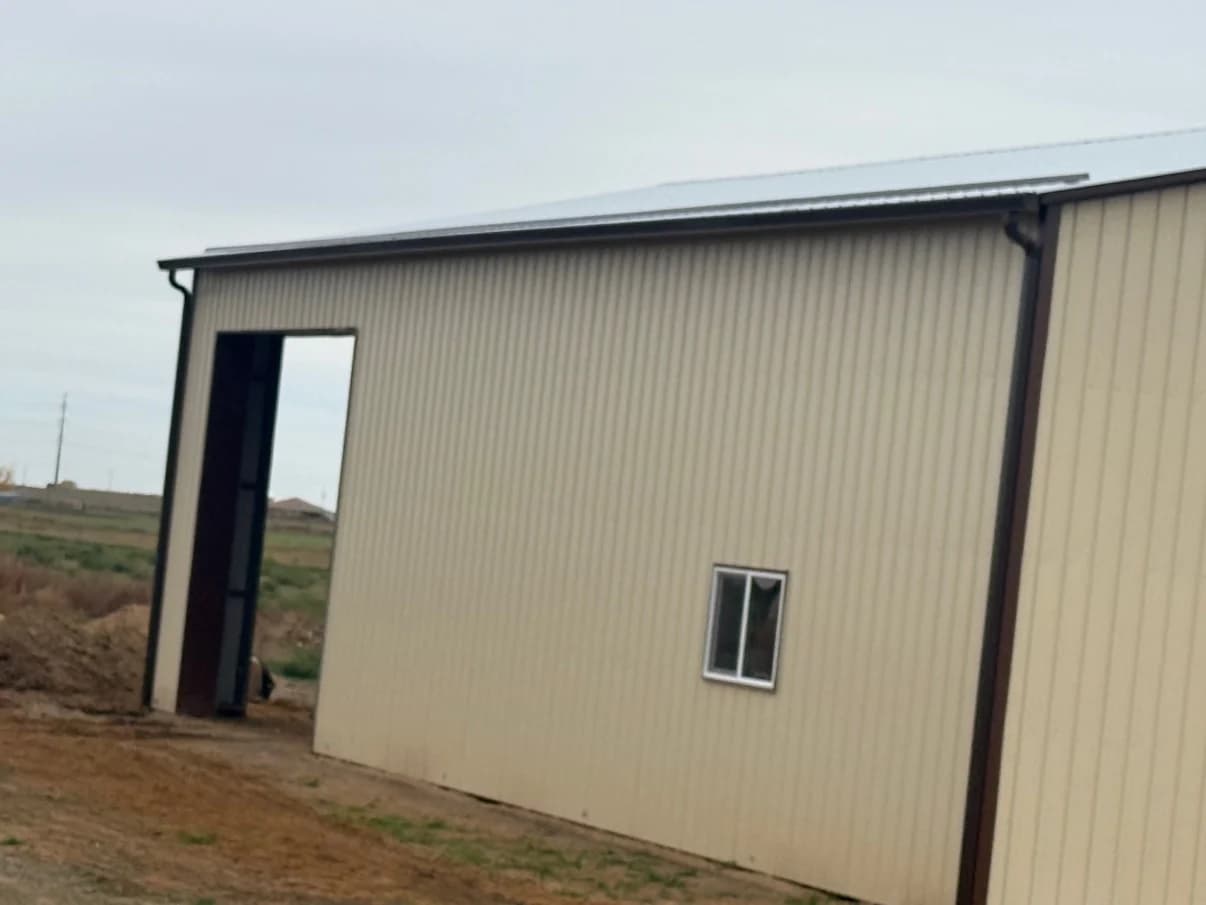
For metal siding, compare the panel profile, finish, visible seams, trims and intended attachment approach. MBCI's maintenance manual covers care of coated roof and wall panels. Ask how future scratches, damaged panels and replacement color matching will be handled; a metal panel is not automatically free from maintenance.
Make the concealed-wall scope explicit
Ask what removal is included and what can only be assessed after the existing cladding comes off. The quote should distinguish known work from concealed-condition allowances. Agree how photographs, repair recommendations and additional prices will be presented before extra work proceeds.
Include the water-resistive layer, flashings, penetrations and adjoining materials in the discussion. New visible siding alone is not a complete explanation of how water is managed behind and around it. These details need to suit the selected product and the actual building.
Compare the finish and maintenance commitments
Ask for the current care guide and the actual warranty document, not a summary such as lifetime or maintenance-free. Identify which cleaning methods, coatings and repairs the manufacturer permits. Keep the product name, color and installation records for later maintenance.
Think about the parts of the house you can maintain safely, the difficulty of matching a future repair, and whether a finish change would require repainting. Avoid assigning a universal repaint interval to an entire material category. Exposure, product and condition matter.
Use the same written comparison checklist
- Removed siding, disposal and protection of the property
- Product manufacturer, collection, profile, finish and color
- Trim at corners, openings, roof edges and transitions
- Wall preparation, water-management details and penetrations
- Concealed-condition review and additional-work approval
- Access equipment and effects on landscaping or adjoining features
- Finish work, cleanup, closeout records and written warranty terms
If two quotes omit different items, ask for revised scopes before comparing their totals. A panel-only price is not a substitute for the finished wall project.
Coordinate the nearby work before ordering
Tell the estimator about planned roofing, gutters, doors, windows or exterior painting. These projects may share edges, flashings, access equipment or finish boundaries. Read the exterior project sequencing guide when several trades will touch the same area.
Send your siding project details. Include which elevations you want reviewed, what you hope to keep, and whether the main objective is repair, appearance or a larger exterior renovation.