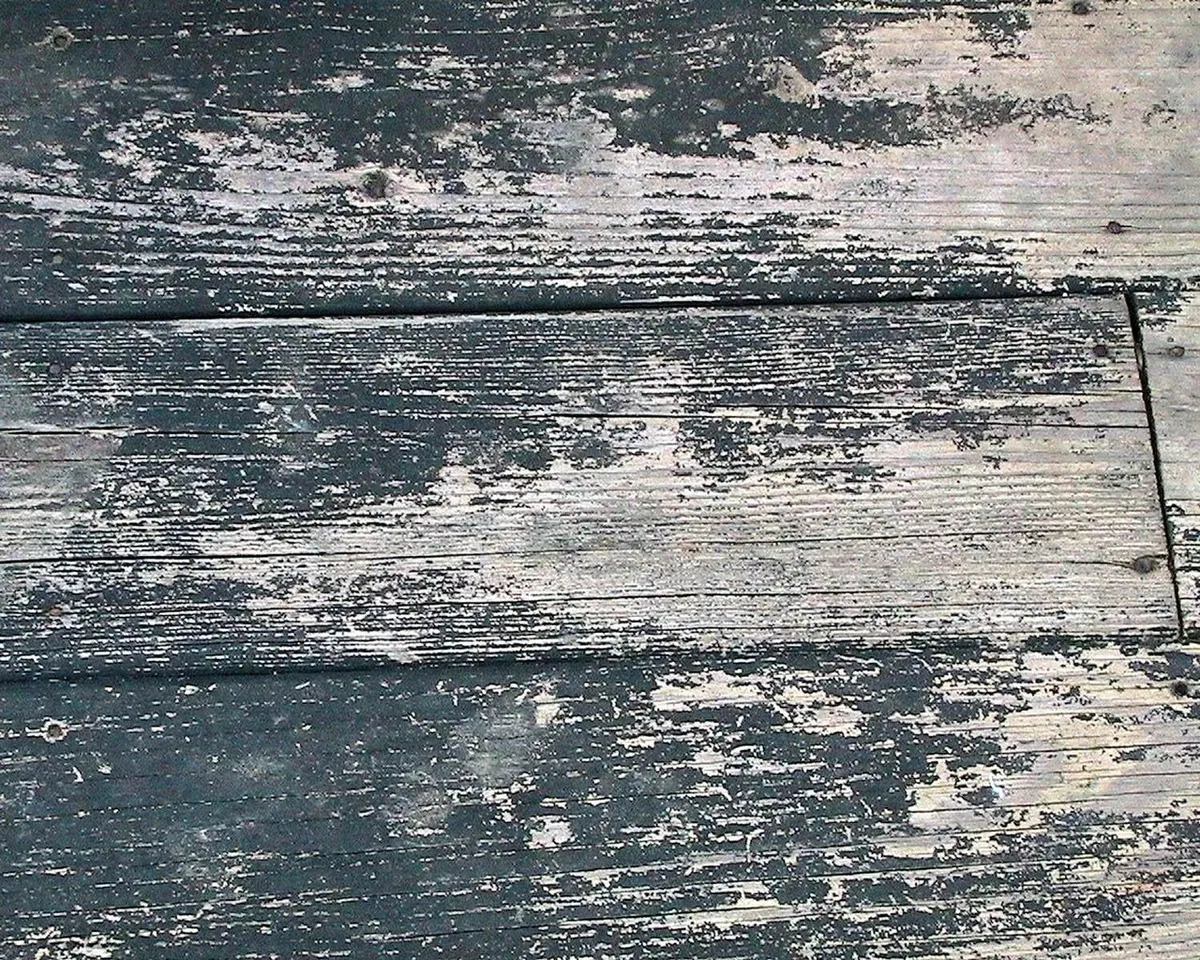
If you searched deck repair Denver or deck repair company near me, you already know the surface story: gray boards, a wobbly rail, stairs that bounce. What Google cannot tell you from a photo is whether that is a weekend-scale fix or a structure that should not have people on it.
Peak Elevation Exteriors starts every Denver metro deck visit with a structural look — ledger, joists, posts, rails — then prices the smallest honest scope. This guide is how we draw the repair-vs-rebuild line for Front Range homeowners.
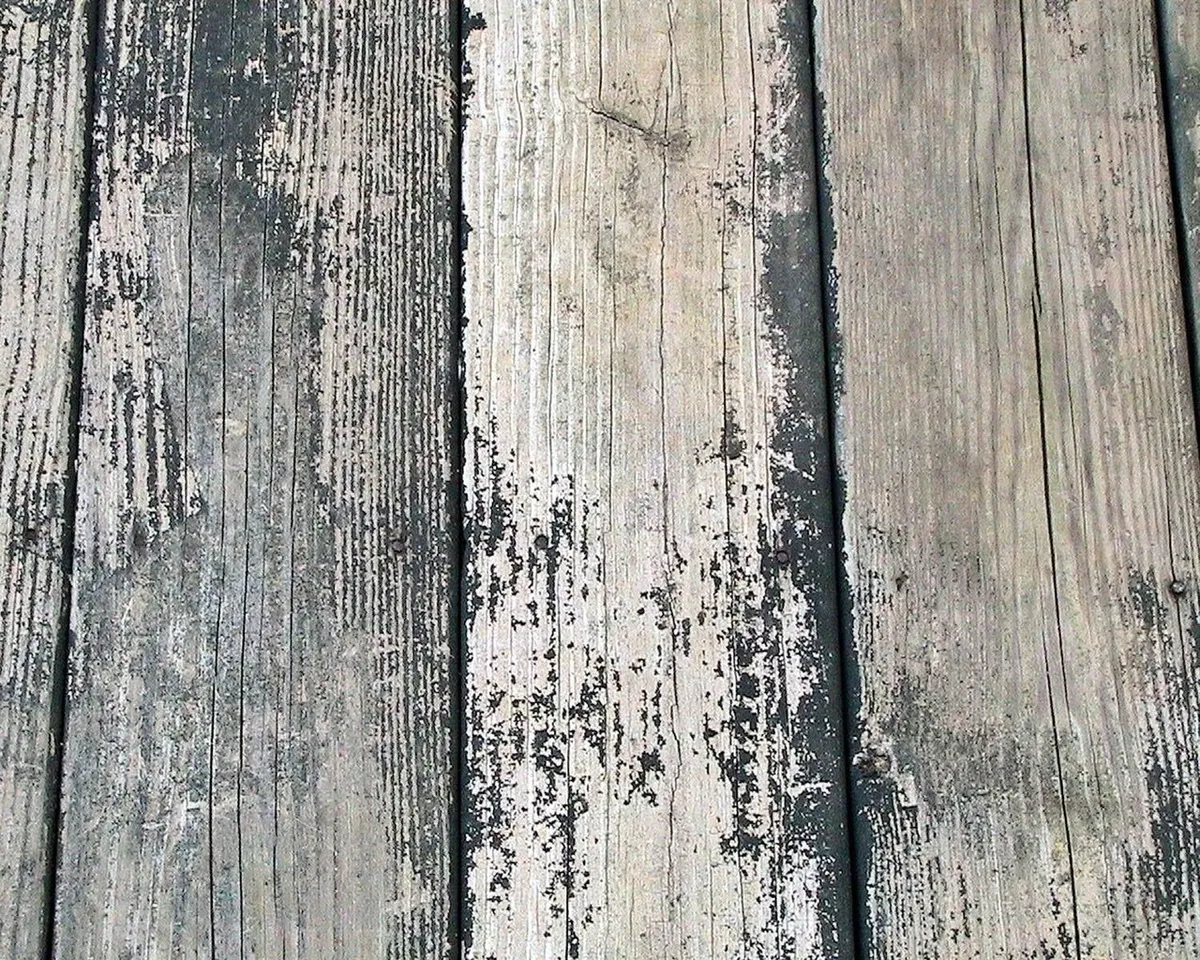
The four checks that decide repair vs rebuild
1. Ledger (where deck meets house) Must be flashed and bolted to structure, not just nailed. Water behind a failed ledger rots the rim joist and is a common Denver failure mode after years of snow melt against the house.
2. Posts and footings Post bases should sit elevated off concrete, not buried in soil. Frost heave and undersized footings show up as out-of-level frames and cracked stair landings — especially on 1990s–2000s walk-outs.
3. Joists Probe soft spots near ends and under high-traffic zones. A few sistered joists can save a deck; widespread rot or undersized framing for snow/party load is rebuild math.
4. Rails If a rail moves under firm hand pressure, that is a people-safety issue. Through-bolts and blocking fix many wobbles. Undersized or low rails that cannot meet current code without a new system push toward larger scope.
Surface boards and stain come after those four. Pretty boards on a failing ledger are not a repair — they are delayed liability.
What a real deck repair quote includes
A useful Denver repair quote is line-item, not a vague "deck refresh":
- Structural findings with photos (ledger, posts, joists, rails)
- Board and stringer replacements called out by count or area
- Hardware upgrades (hangers, post bases, bolts) listed separately
- Sand-and-refinish or re-deck options if the frame is sound
- A rebuild number when the frame is not worth saving — so you can decide with both prices
We do not scare-sell rebuilds. We also do not quote surface boards alone when the ledger is wrong.
Repair, re-deck, or rebuild — typical Front Range patterns
| Situation | Usual path |
|---|---|
| Sound frame, gray/cupped boards, loose rail posts | Repair + refinish, or re-deck with composite |
| Soft stair stringers, a few bad joists, good ledger | Targeted structural repair |
| Nailed ledger, no flashing, water stains at house | Rebuild or major structural — do not "patch" |
| Heaved footings, out-of-level multi-level | Rebuild / re-engineer |
Altitude UV grays wood faster than sea-level marketing suggests. That alone is not a rebuild. Soft wood at the ledger is.
Composite re-deck over a healthy frame
When framing checks out, capped composite (Trex, TimberTech, Deckorators) over existing joists is often the smart Denver play: less annual stain, better UV resistance, new rails to code. We still verify joist spacing and condition for the clip system — composite does not forgive a soft frame.
See also our composite deck altitude guide for frost depth and UV notes on new builds.
Cost expectations (honest ranges, not phone quotes)
Repair scopes vary wildly with what we find. Targeted rail and board work is usually far less than a full tear-off; a re-deck sits in the middle; a permitted rebuild with new footings is the top end. Rather than invent a fake average that misleads half the ZIP codes we serve, we walk the deck and email numbers. Free structural look: call or text (720) 325-9473, or start on /deck-repair.
Bottom line
Deck repair in Denver is a diagnosis first, a price second. Gray boards are common. Failed ledgers and soft posts are the expensive surprises. Get both numbers when the frame is marginal — then decide without a sales countdown.
Service details: /deck-repair · new builds: /deck-construction.