
A line reappearing above a door or along a ceiling joint is frustrating because the last repair may have looked finished. Before paying for the same patch again, make the next visit about the history and the surrounding conditions. The useful question is what must be understood before the finish is restored.
This guide helps you prepare for a drywall repair assessment. It cannot diagnose a building from a photograph or establish whether a crack is cosmetic. The proposed repair should follow the observed condition rather than treating every line as the same job.
Make a small, dated record
Take an overall photograph showing the wall or ceiling and a closer photograph from a safe position. Keep the originals with their dates. Note the room, whether the line follows a joint or corner, and whether you first noticed it after a repair, a weather event or another project.
Describe changes in ordinary language: the line has lengthened, a paint edge is lifting, a door has begun rubbing, or the same mark returns each winter. Do not rely on a remembered description of what it looked like several months ago. Comparing photographs is more useful than declaring a cause from the shape alone.
Look for accompanying conditions without opening the wall
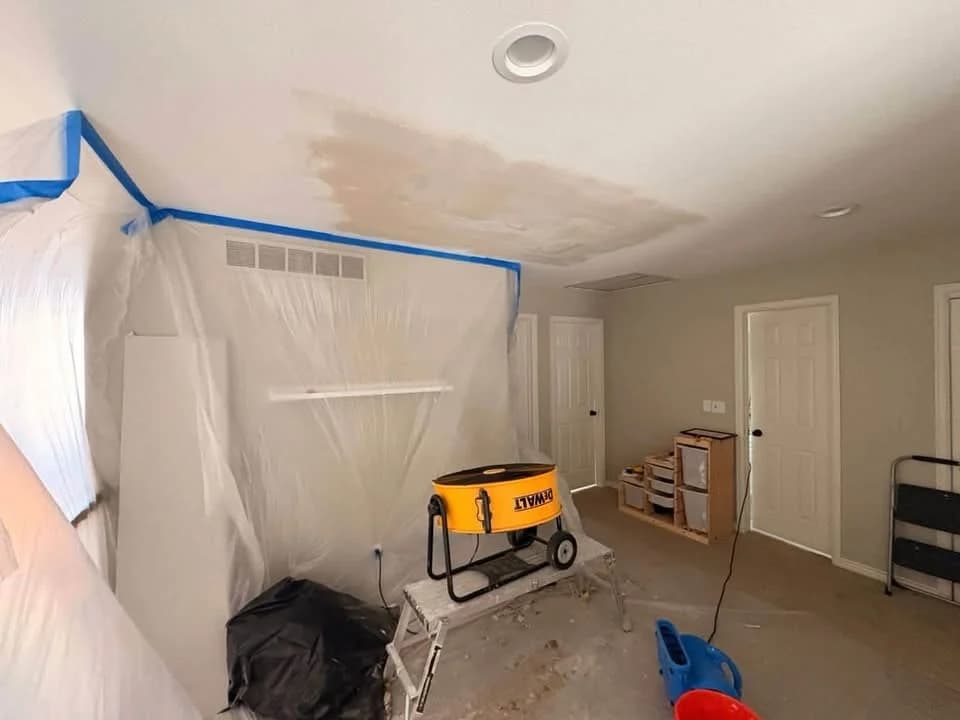
Record staining, dampness, a musty odor, softness, a visible leak or a nearby plumbing problem. Do not cover an active wet area with compound and paint. EPA guidance emphasizes resolving the water problem when addressing moisture-related damage. A finish repair does not repair a leaking roof or pipe.
USG also identifies environmental conditions and material movement as relevant to drywall installation and finishing. That does not mean a seasonal crack has one predictable explanation. Give the assessor the observations, and let the assessment distinguish the finish problem from work that belongs elsewhere.
If a ceiling is sagging, material is falling, water is actively entering, or you see rapid changes accompanied by other building problems, keep people away from the affected area and seek an appropriate professional assessment promptly. Do not wait for a routine cosmetic appointment.
Bring the previous repair history
Ask the person who handled the last repair what was done, if records are available. Useful details include whether only the paint was touched up, whether tape or damaged board was replaced, and whether a water problem was separately repaired. Share before-and-after photos and any written scope.
Include other work nearby: a removed wall, new opening, plumbing access, roof work or a newly finished basement. These are facts for the assessment, not proof that one contractor caused the problem. Unknown history can simply be marked unknown.
Separate assessment, repair and decoration
Ask the proposal to identify three things: the condition being addressed, the drywall work being priced, and the finish area included afterward. A bid for a narrow patch is different from one including board replacement, joint work, texture blending and repainting the whole wall.
Agree on how unexpected damage will be documented and approved if the work exposes more than was visible. If another trade must resolve the cause first, identify who confirms that the area is ready for closing and finishing. Avoid a schedule that forces decoration before that question is answered.
Use this visit checklist
- Dated overview and close-up photographs
- When the line appeared and how it has changed
- Stains, dampness, leaks or related door and window changes
- Previous repair details and nearby renovation work
- Existing texture, paint color and sheen, if known
- The area to be protected, repaired, primed and repainted
- Any separate assessment or repair needed before finishing
Plan the final appearance honestly
New compound, old paint and strong side lighting can make a repaired area visible even when the crack itself is closed. Discuss the normal lighting and viewing conditions before choosing the repaint boundary. For broader finish decisions, read the Level 4 and Level 5 drywall guide.
Send your observations with a drywall repair request. A clear history helps the visit focus on the right questions instead of starting with another unsupported promise that the line will never return.