
Two interior painting estimates can describe the same house and still cover different work. One may include ceilings, doors and full-room protection; another may cover walls only. Before comparing totals, make the deliverables comparable.
This checklist is for homeowners planning interior painting in Denver and the Front Range. It does not provide a universal price per room or square foot. A useful quote describes the surfaces, condition and finish being purchased.
Build a room-and-surface schedule
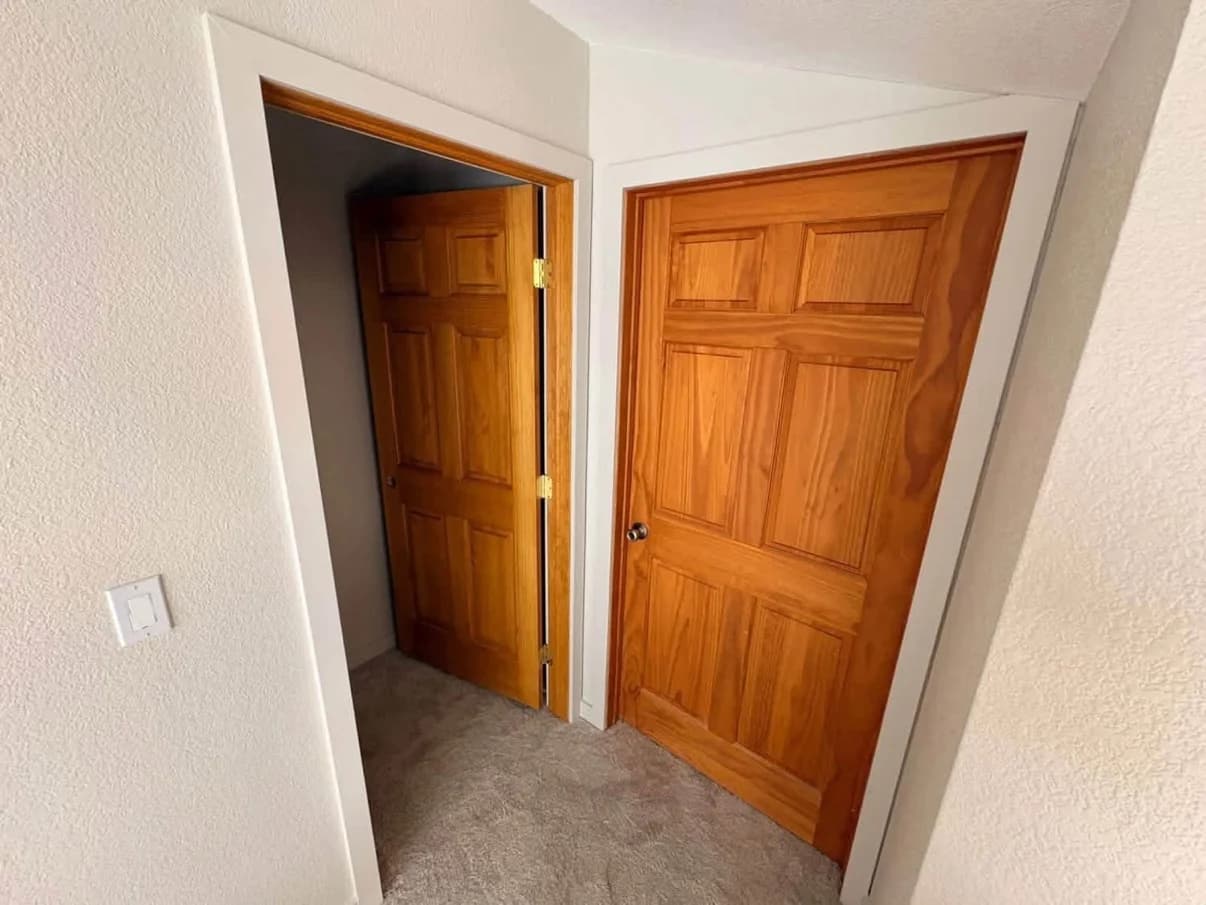
List each room and identify walls, ceilings, closets, trim and doors separately. Note tall ceilings, stairwells, built-in shelving and tight spaces. A room name alone does not establish whether the inside of a closet or both faces of a door are included.
Mark items staying as they are. If you want a base proposal plus optional ceilings or trim, ask for those options consistently from each bidder. This makes it possible to adjust the project without guessing which tasks were included in a lump sum.
Define the repair boundary
Point out nail holes, dents, old patches, failing tape, water stains and damaged trim during the visit. Ask which are treated as preparation and which need a separate repair scope. A recurring crack should be assessed rather than hidden beneath another decorative coat.
Sherwin-Williams' surface-preparation guidance emphasizes a clean, dry, sound prepared surface and appropriate primer. The homeowner's decision is how much work the quote includes to reach that condition. Ask whether repaired areas are spot-primed or whether broader priming is proposed, and why.
For larger repairs, use the drywall repair planning guide before comparing paint-only prices. An unresolved leak or unsuitable substrate cannot be fixed by selecting a more expensive finish color.
Specify a coating system rather than a brand name
Record the manufacturer, product line, color and sheen for each surface group. Walls and woodwork may use different products. Ask how the selected system addresses existing finishes, stains, bare material and color changes.
Have the proposal state the planned primer and finish-coat application, including how coverage or an owner-requested color change will be handled. The promise of one coat or two coats is not useful without the product, substrate and expected result. Do not treat the paint can's coverage range as the completed-job price.
Review color and sheen in the room
Paint sheen changes reflected light and the appearance of surface differences. Benjamin Moore and Sherwin-Williams both provide guidance on matching finishes to use and appearance. Product performance also matters, so avoid choosing solely from a generic sheen label.
Review sample colors in the actual room's daylight and evening lighting. Agree when selections must be final, how many sample areas are included, and how late changes affect materials and scheduling. If a smooth wall will receive strong side lighting, discuss the drywall finish level before painting starts.
Include the work around the painting
- Who moves and returns furniture, artwork and window treatments?
- How are floors, cabinets, appliances and belongings protected?
- Who removes or protects hardware and fixtures?
- How are pets, children and occupied rooms separated from work?
- What access, ventilation, drying and room-use restrictions are expected?
- Are daily cleanup, waste removal and final touchups included?
These tasks take planning even when the walls are easy to reach. Ask for the proposed room sequence so you can assess how the project fits your household, rather than focusing only on the number of days in the estimate.
Compare exclusions and closeout
Look for a clear process for changes, payment stages, final review and any written warranty terms actually offered. Keep a product-and-color record for future maintenance. Touchups may still look different because of age, application and lighting; a stored paint label does not guarantee an invisible patch years later.
For older homes, tell the estimator the building age and ask what paint-disturbance assessment and work practices apply before sanding or removal. Do not assume a contractor holds a particular certification without checking it.
Send your room schedule and project details. A comparable scope gives you a better basis for choosing than a headline total alone.